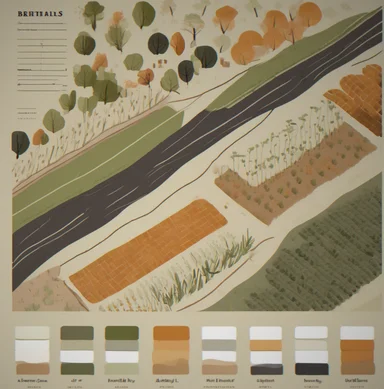
Gameplay built on real systems
Tend one field through a full year
Watch the soil come back to life. See why rushing doesn't work.
Most farm games hand you a bunch of plots and let you skip past the hard parts. Fieldgarden is different—you get one field and twelve months to figure it out. You'll watch nitrogen levels shift, sit through seasons where nothing grows, and actually see the soil rebuild itself. The whole thing's built on how farming actually works, not on what makes for a quick dopamine hit. If you're looking for something that rewards thinking over twitchy fingers, this one's for you.
What you'll see
How do you actually know the soil is changing? You stick With one plot for a full Year and watch it transform as the seasons roll through. That's when you start Noticing what your decisions really do.
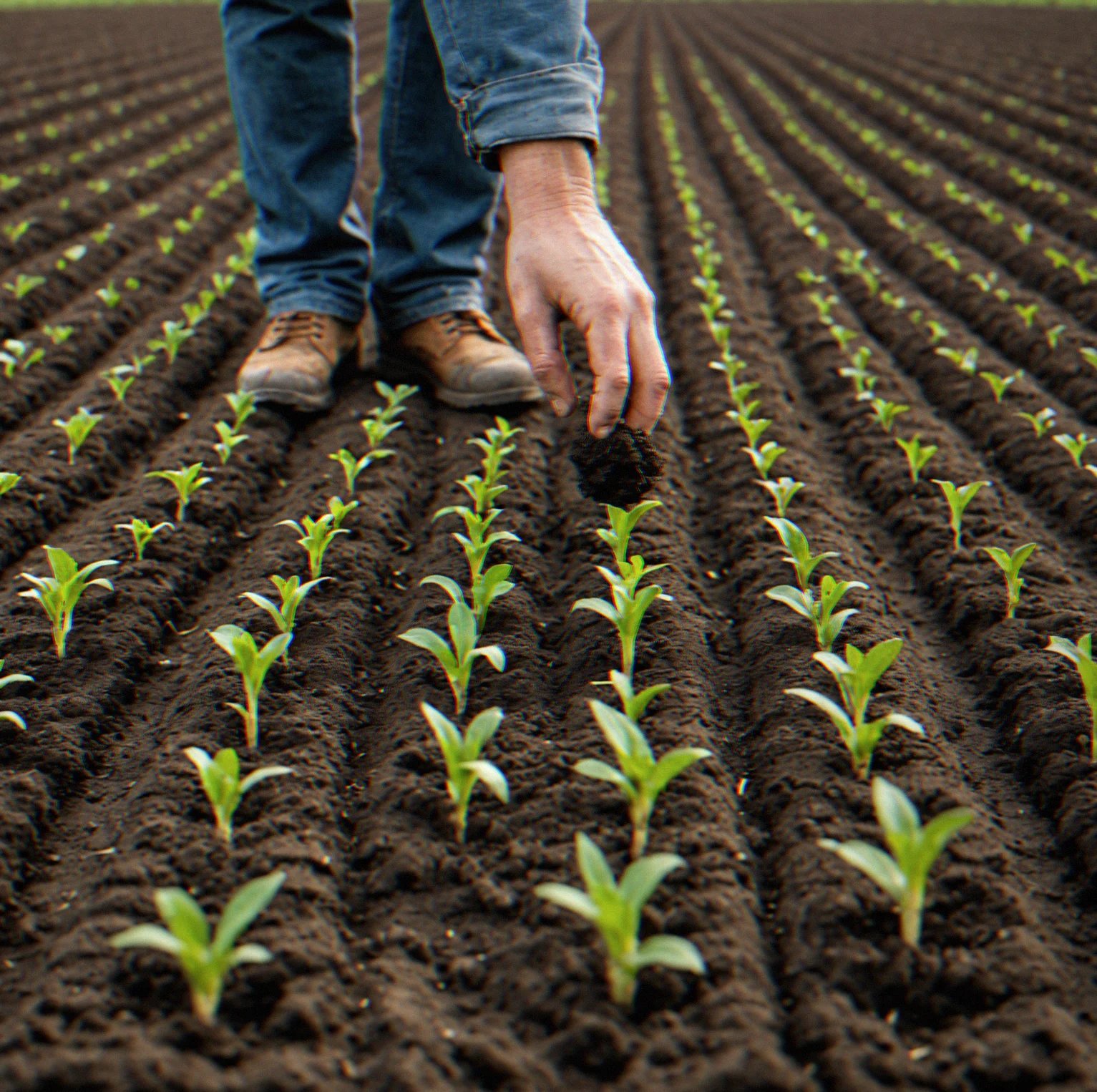
March: getting the soil ready. You've decided whether you're tilling or going no-till. You see the difference right away.
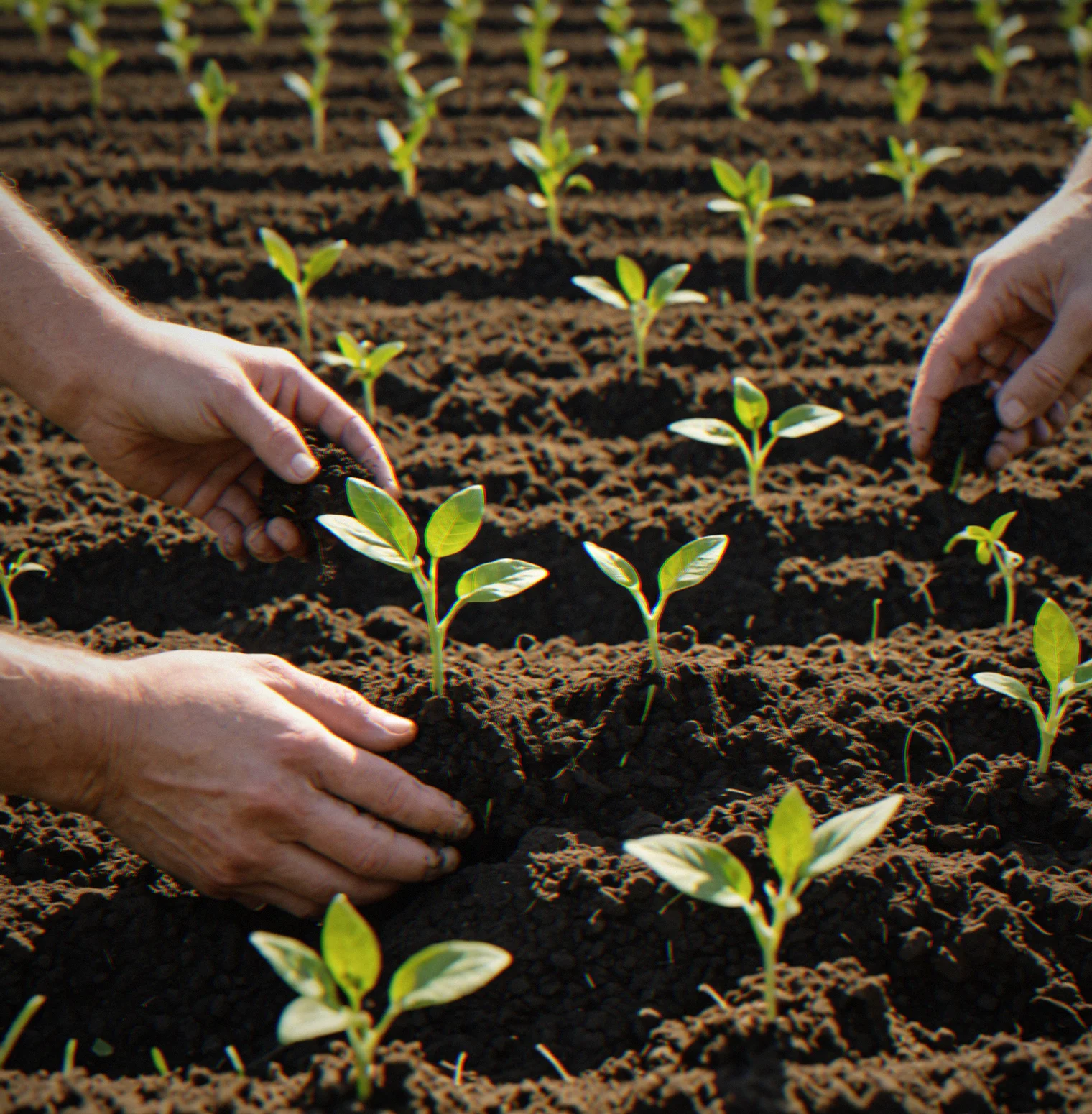
April: seeds are up. Timing is everything here. Too early and a late frost will wipe you out.
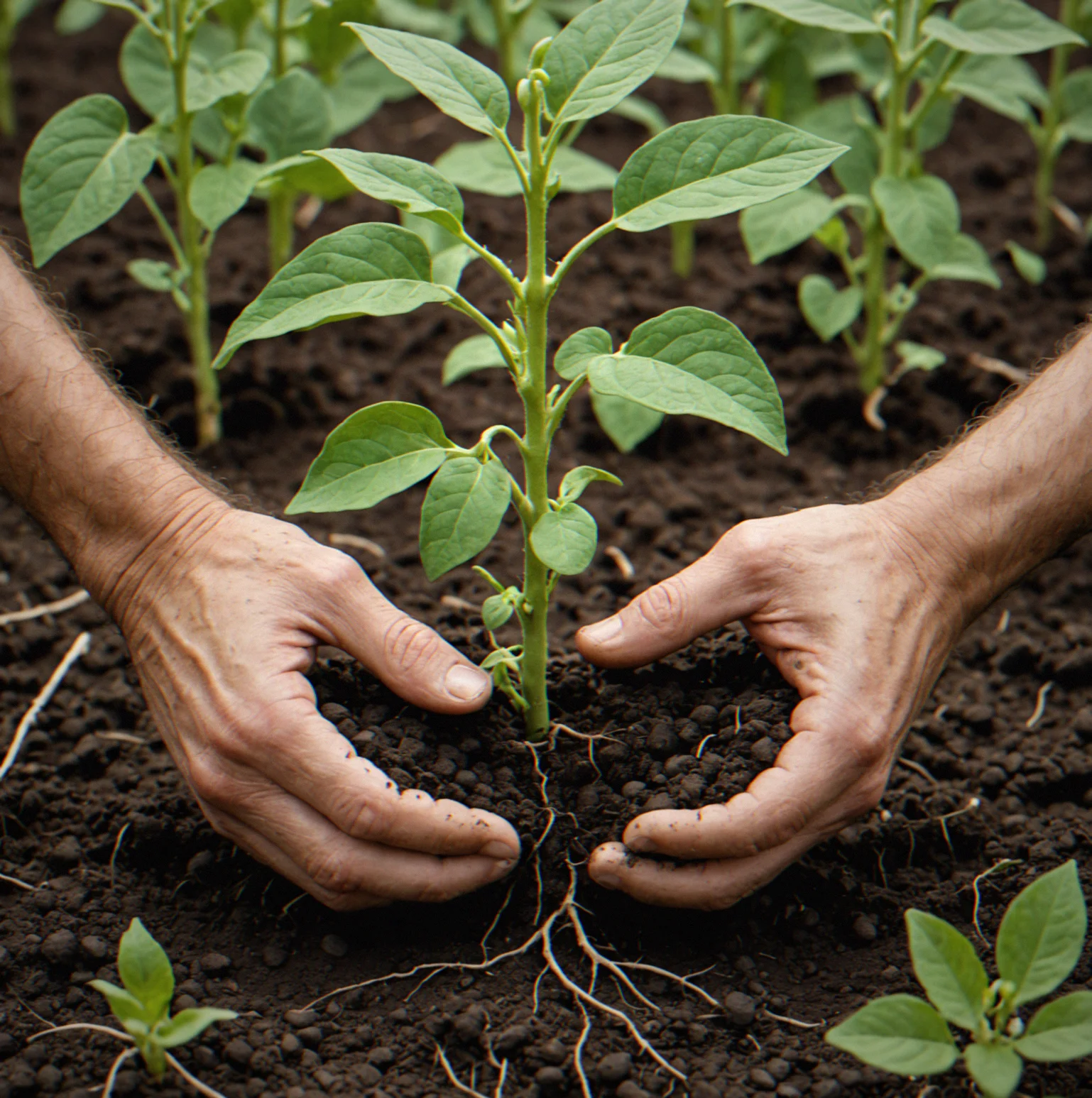
June: the legumes are building nodules. By now you're getting on for five or six weeks in and the nitrogen-fixing is already happening.
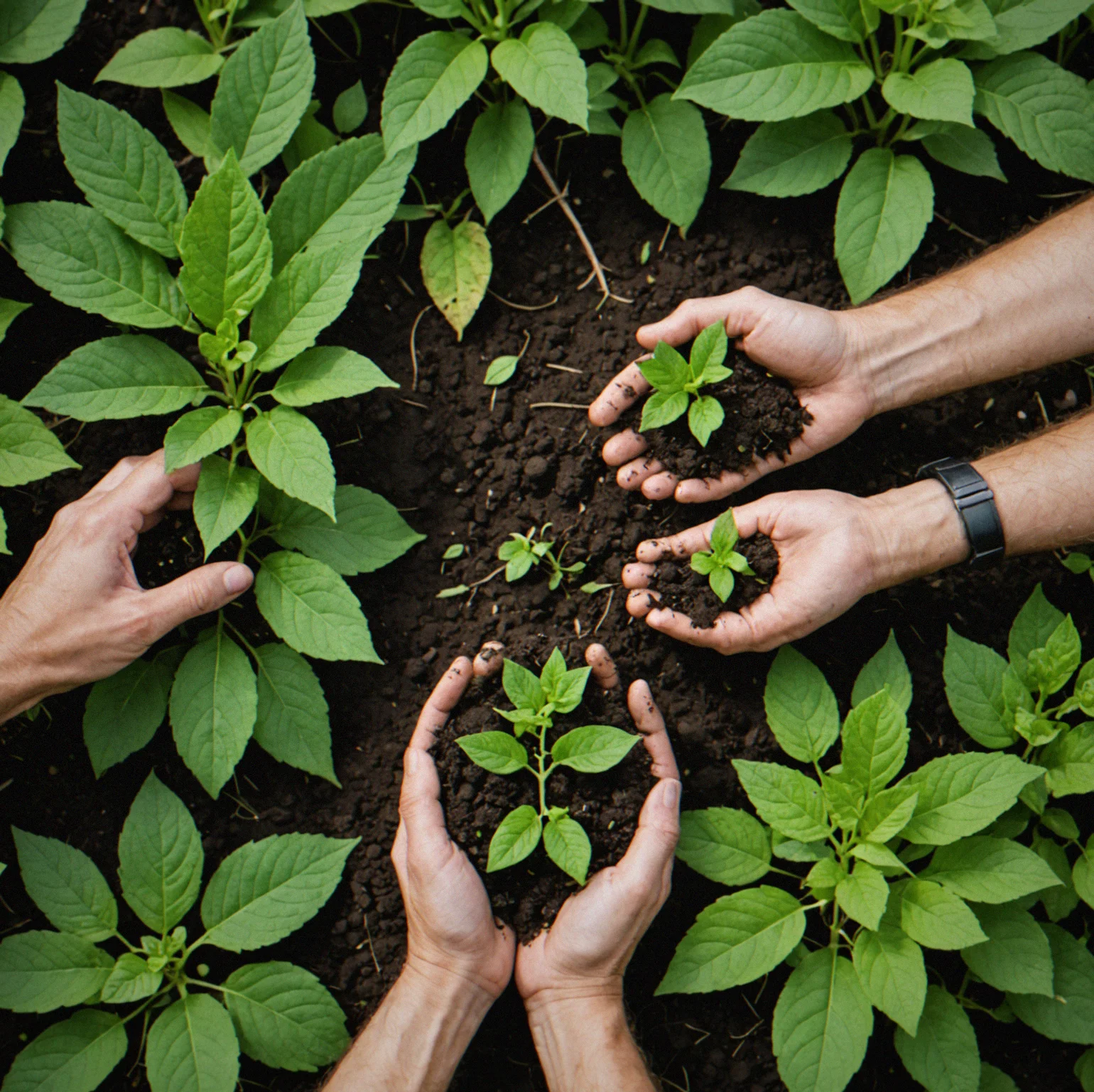
July: pests show up. There's no chemical option here, so you figure out what works instead.
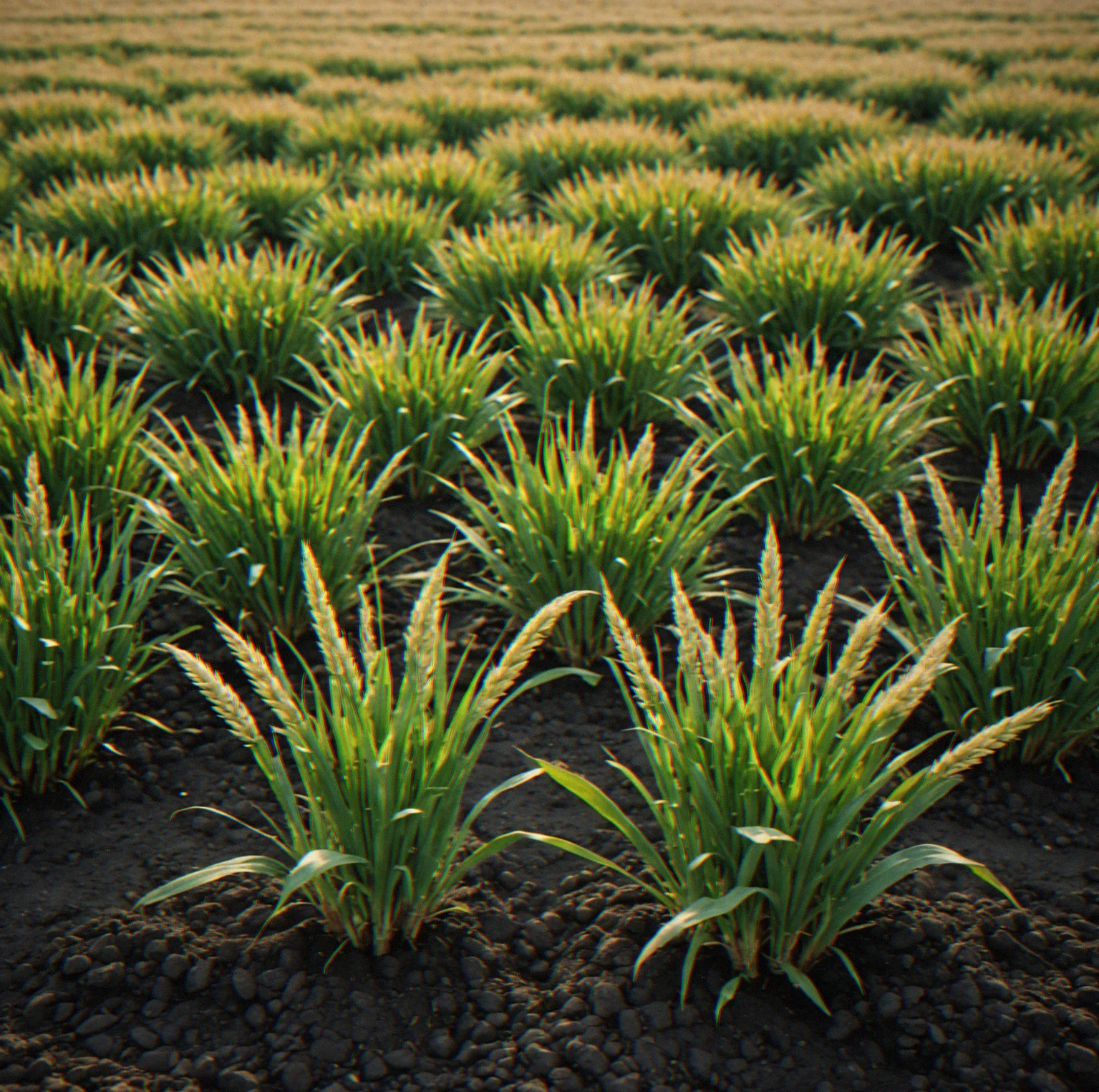
October: cover crop is taking off. It'll sit through winter and break down into the soil come spring. That's nine months of thinking ahead right there.
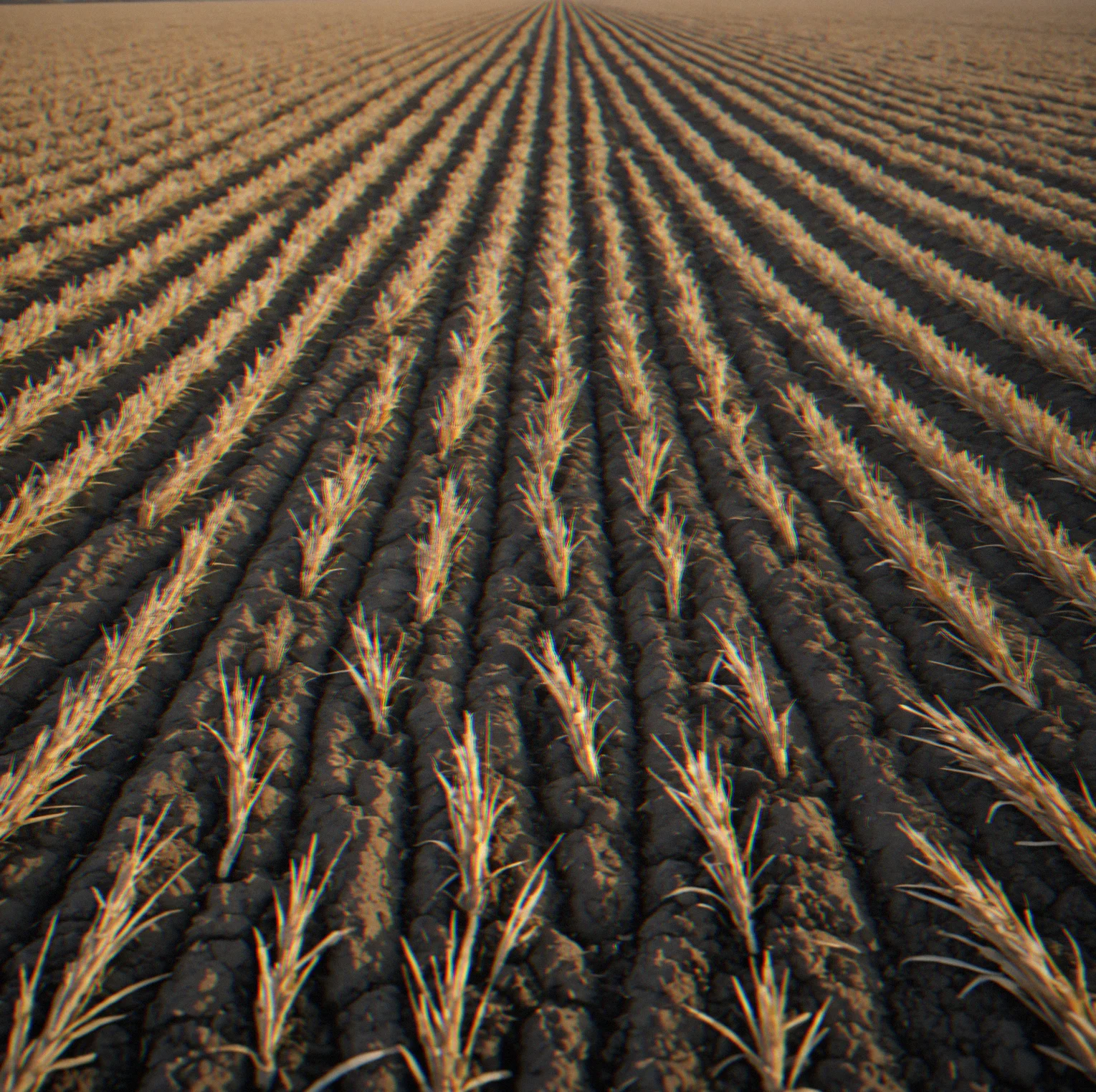
December: everything's quiet now. The full cycle is done. You've been on this same patch for a year straight.
A full year, documented.
One field, full consequence
You've got about 400 square meters to work with. That's all. Whatever you plant this year shapes what you can actually grow next. There's no fallback plan, no second plot to hedge your bets on.
Real seasonal weather
The game pulls historical data for rainfall, frost dates, and temperature patterns. So April frost happens just like it does in real life. Dry spells show up when they're supposed to in that region. You can't just predict your way around it.
Soil systems that matter
Nitrogen, phosphorus, potassium, organic matter—they're not just numbers hiding in a spreadsheet. You actually see them. Your soil gets darker as organic matter builds up. Plants grow based on what's genuinely in the ground, not some abstract stat.
Phenology you can see
Phenology's basically the timing of when plants do their thing—when buds break, flowers bloom, seeds ripen. Watch the trees around you and they'll tell you if the soil's warm enough. The game teaches you by showing, not by spelling it out in a tutorial.
Fallow periods and intercropping
Leave part of your field bare for a month and the soil bounces back, but you're giving up harvest this year. Plant beans next to corn and they'll fix nitrogen while climbing the stalks, except now your spacing is cramped and harvest becomes complicated. Everything has a cost.
No reflexes required
No timers ticking down. No rapid clicking contests. No action sequences at all. You look at what's happening, think about what comes next and then wait. The actual mechanic is just patience.
Twelve months of real time
One full season goes spring to summer to fall to winter. Your first run takes around 90 minutes. Once you know what you're doing it's closer to 45 or 50. Long enough that you actually learn something, short enough to jump back in and try it differently.
How the mechanics teach
Everything in Fieldgarden is built so you figure things out by playing, not by staring at tooltips.
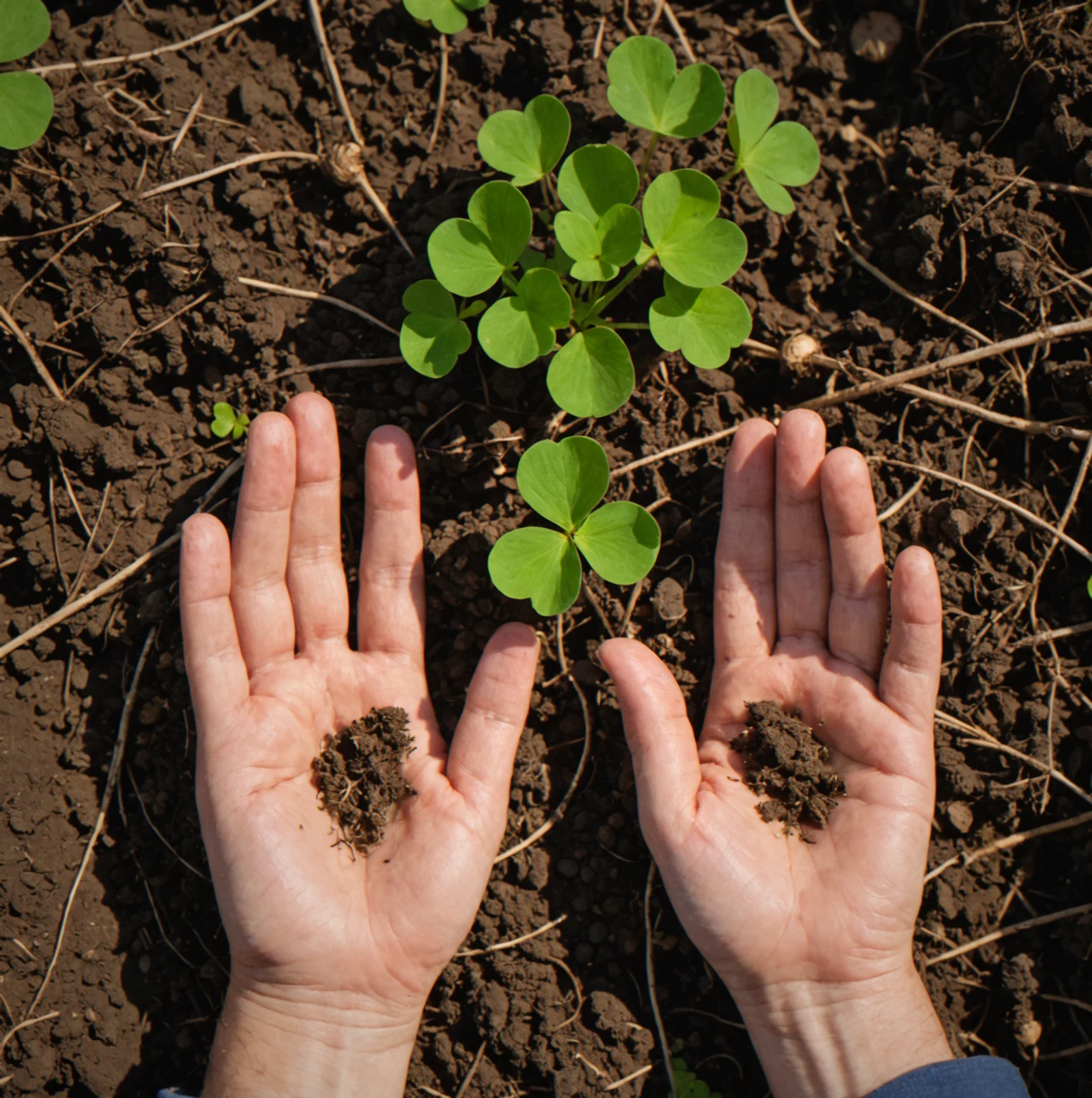
Nitrogen cycles naturally
Plant legumes and watch them form nodules. The next season, throw in something that needs a ton of nitrogen and it takes off. Skip the legumes? Your corn's going to struggle. You actually see nitrogen depletion unfold across your field over the course of months.
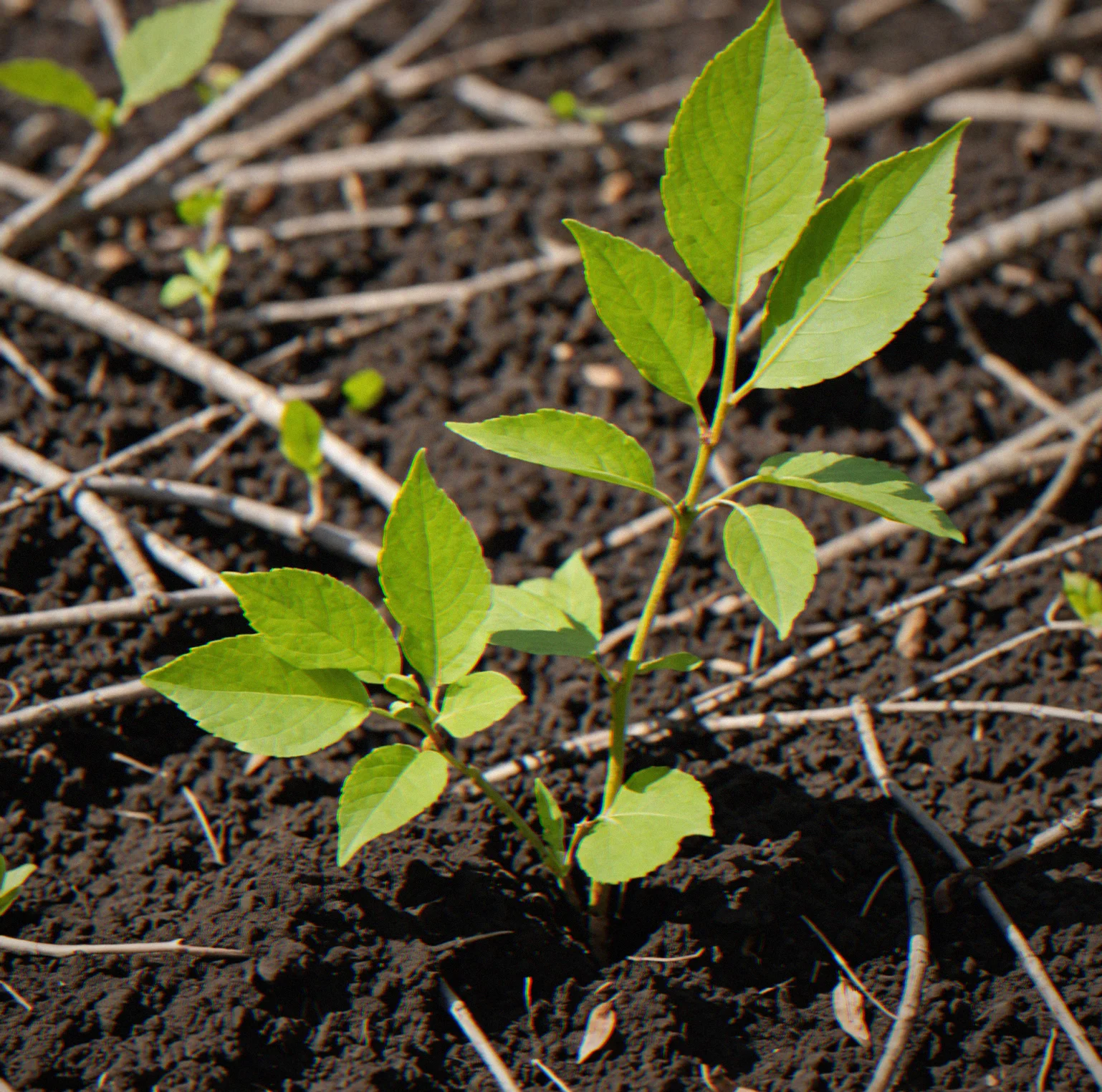
What is phenology anyway?
It's basically the timing of when plants do their thing—when buds pop, flowers bloom, seeds mature. In Fieldgarden you learn it by watching trees around you and seeing when they match up with your planting window. No technical jargon. Just watching what happens.
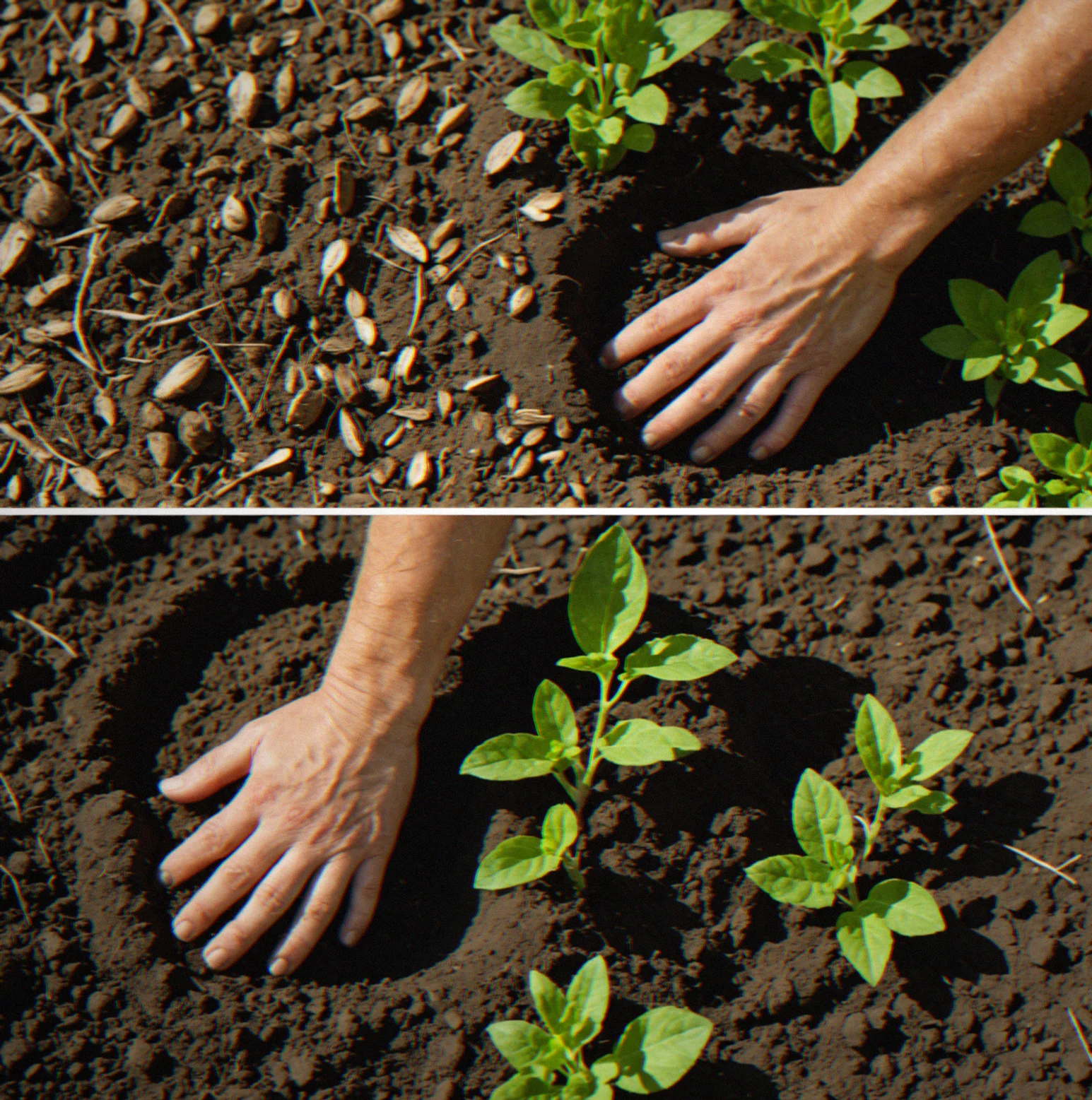
Soil darkens, you notice
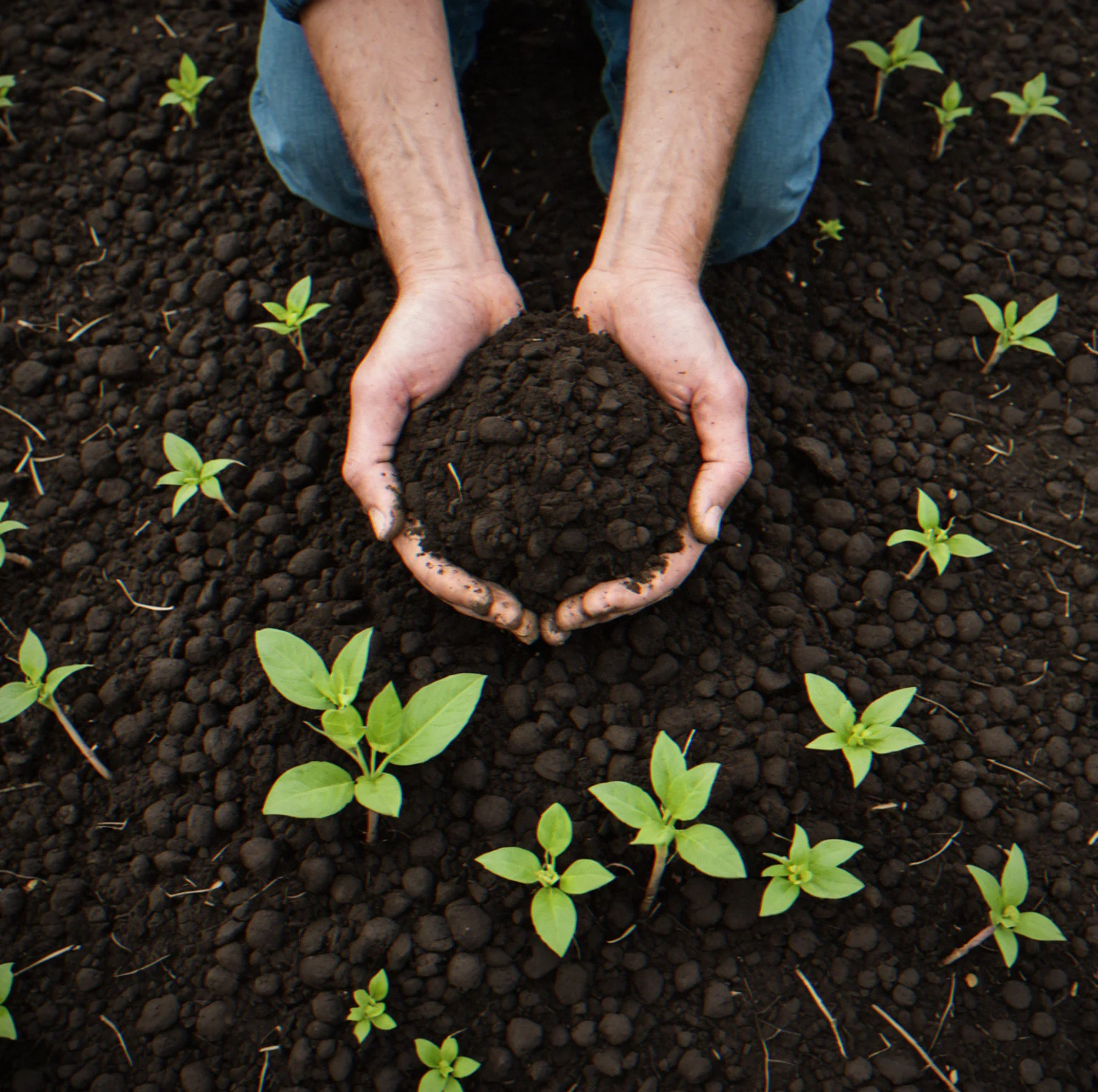
When organic matter builds up, your field gets visibly darker. That's not just window dressing—it's telling you something. You can see the real difference between soil that sat fallow and soil that's been actively worked.
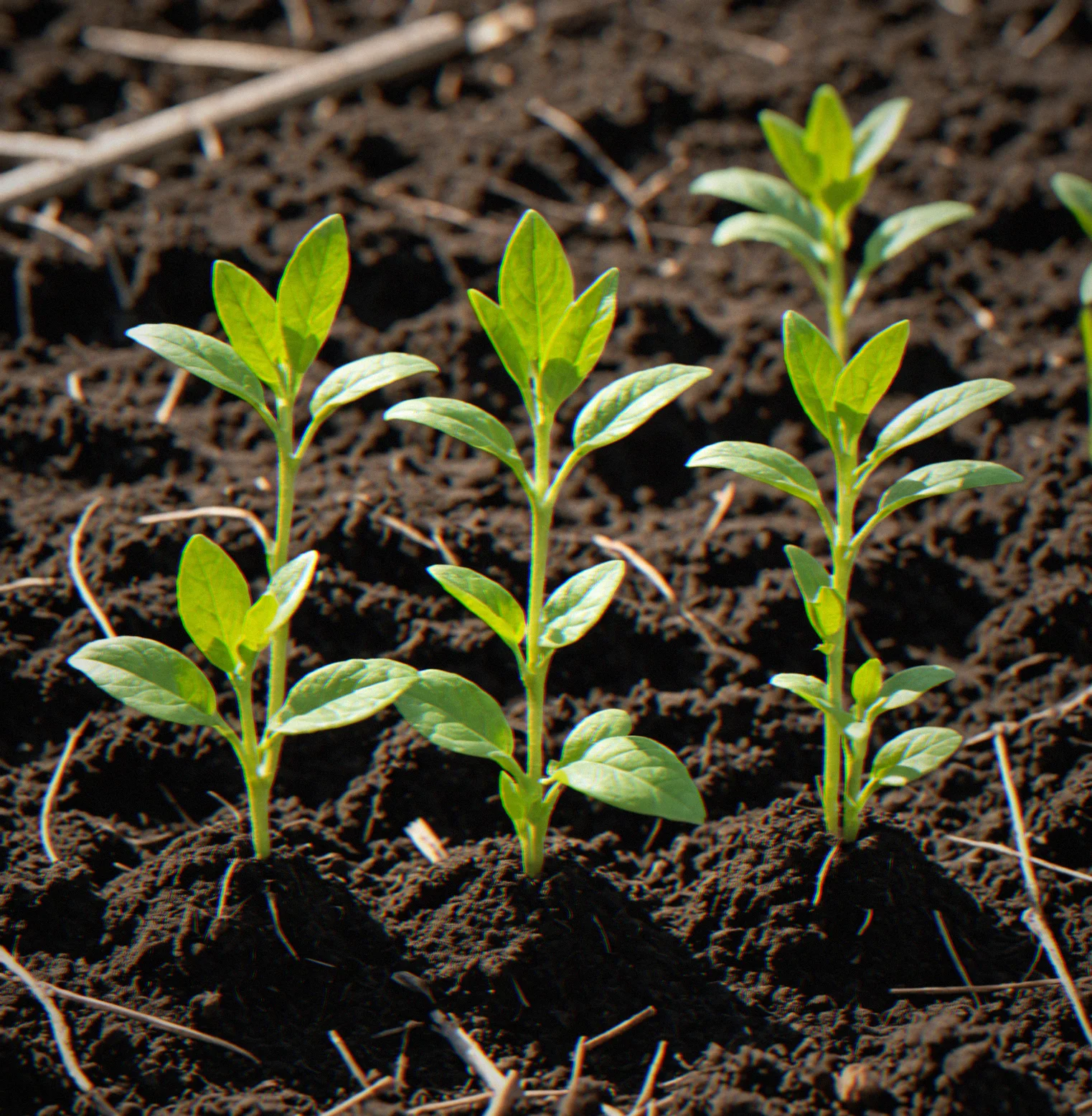
Weather happens when it does
The game pulls actual historical weather data for your region. That April frost isn't some random dice roll—it hits when it really would. A dry stretch in July shows up with the same timing as the real world. You can't just speed through seasons to dodge the bad stuff.
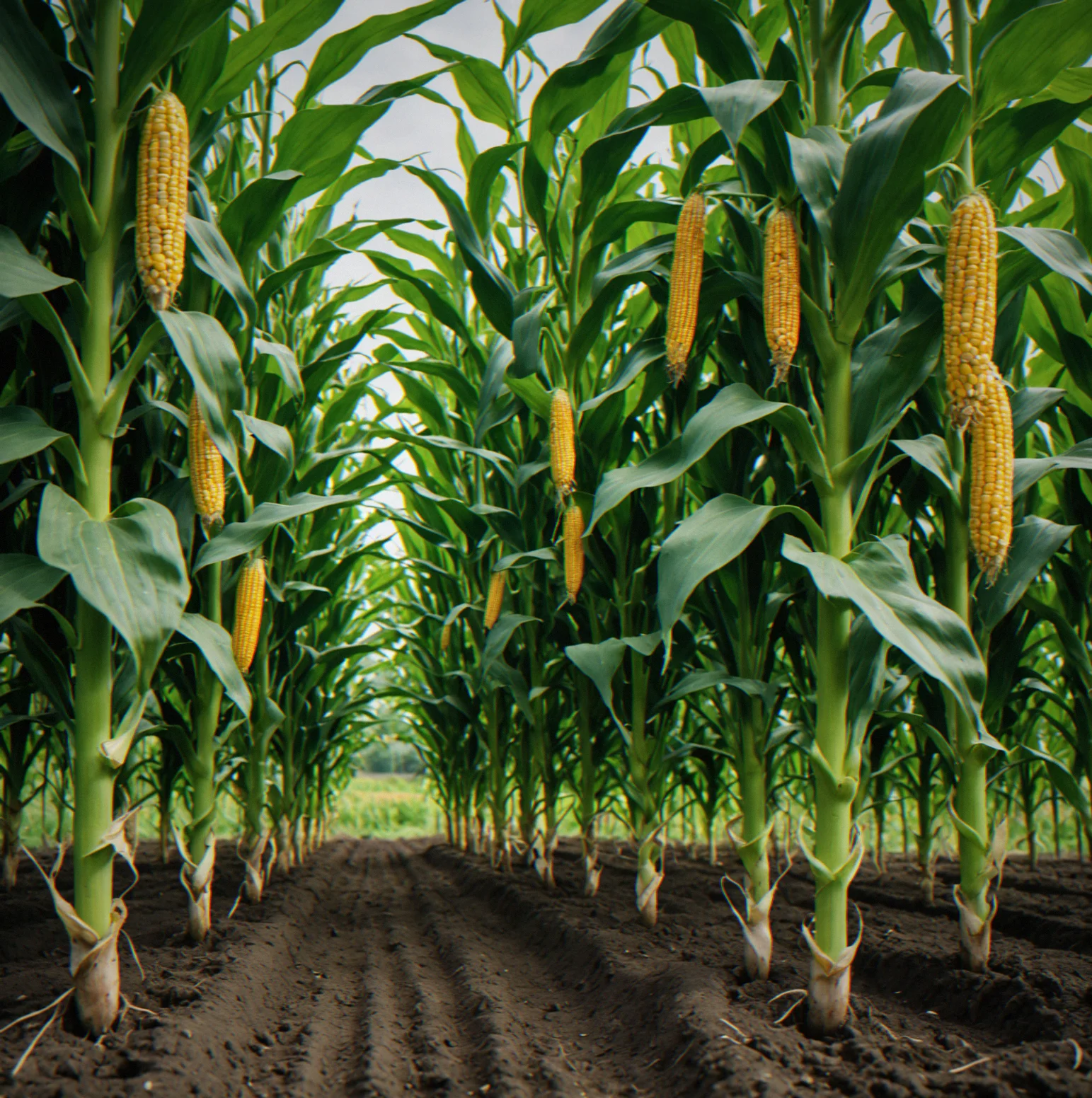
One field means real trade-offs
Let a quarter of your land rest to rebuild the soil and you're giving up a quarter of what you could harvest this year. Plant beans right alongside corn and picking gets complicated but the soil gets better. There's no difficulty dial hiding in the background. Your choices are what make the game.
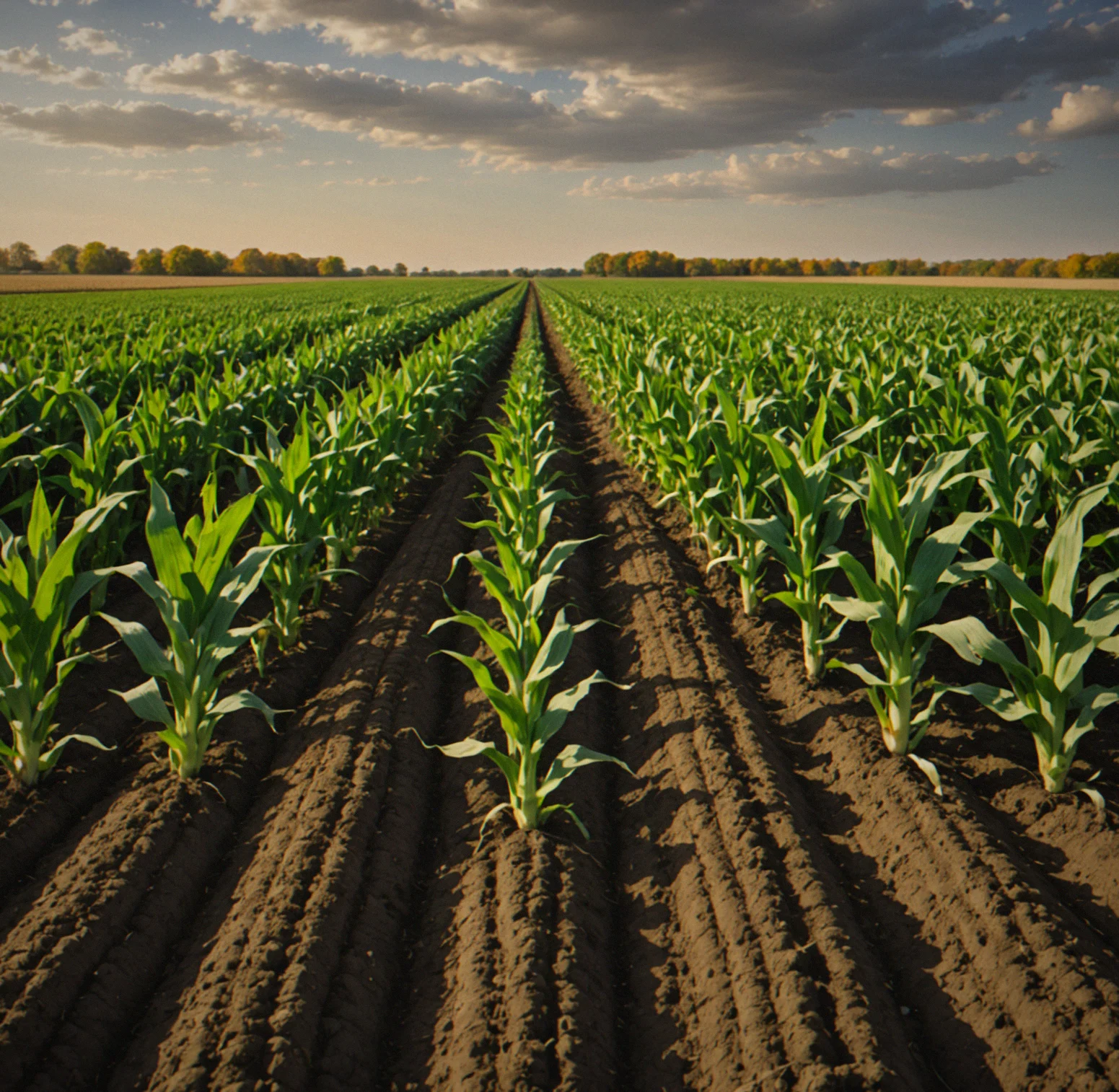
Four-panel timeline showing corn crop followed by nitrogen-depleted soil, then legumes restoring soil color
Learn crop rotation
Plant legumes after corn and you're fixing nitrogen back into soil. Watch it actually happen across two seasons on your own field. After that you don't need anyone explaining why rotation matters.
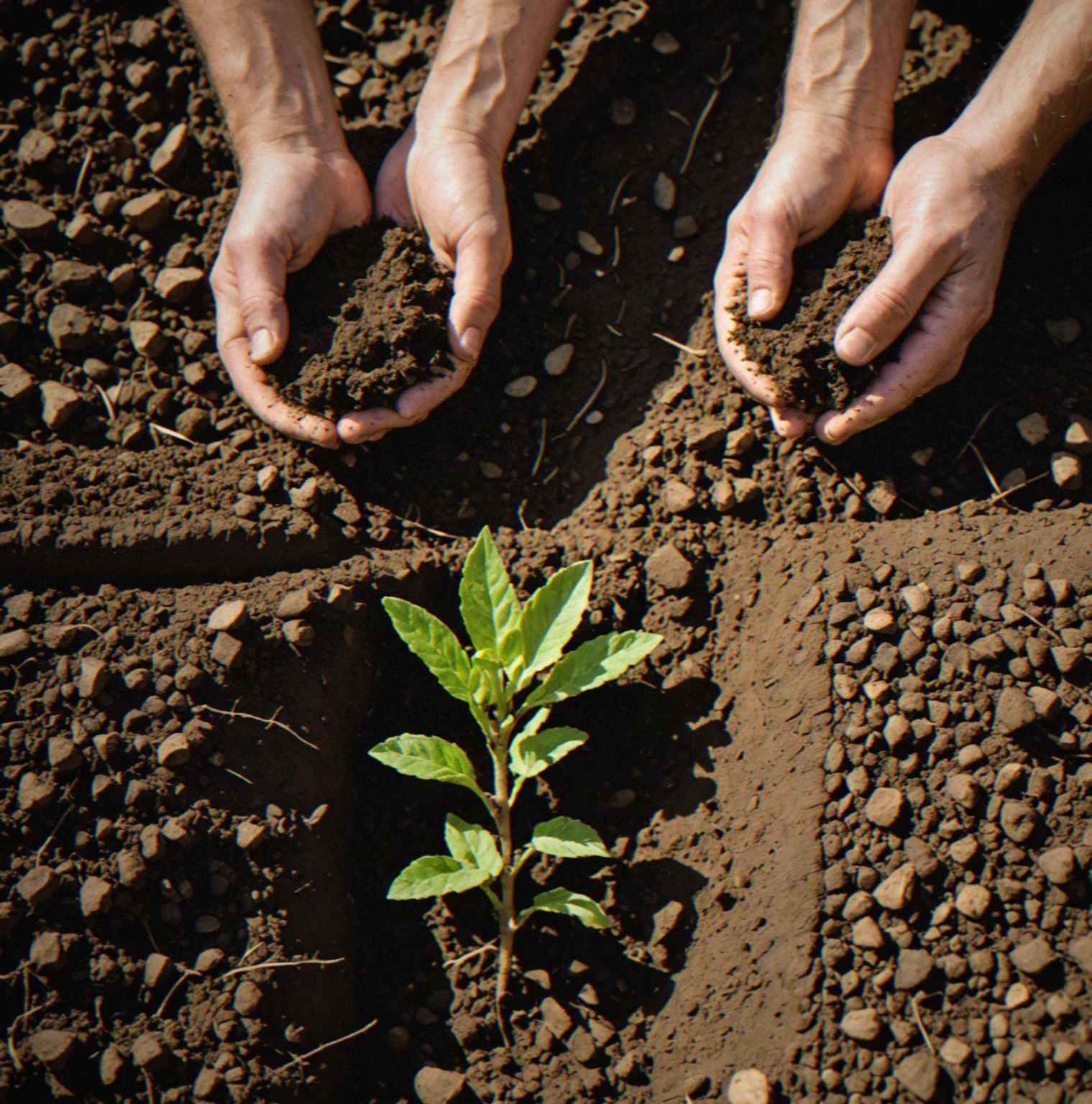
Soil profile cross-section showing progression from light brown depleted soil to dark rich loam with visible organic matter
Understand soil as a living system
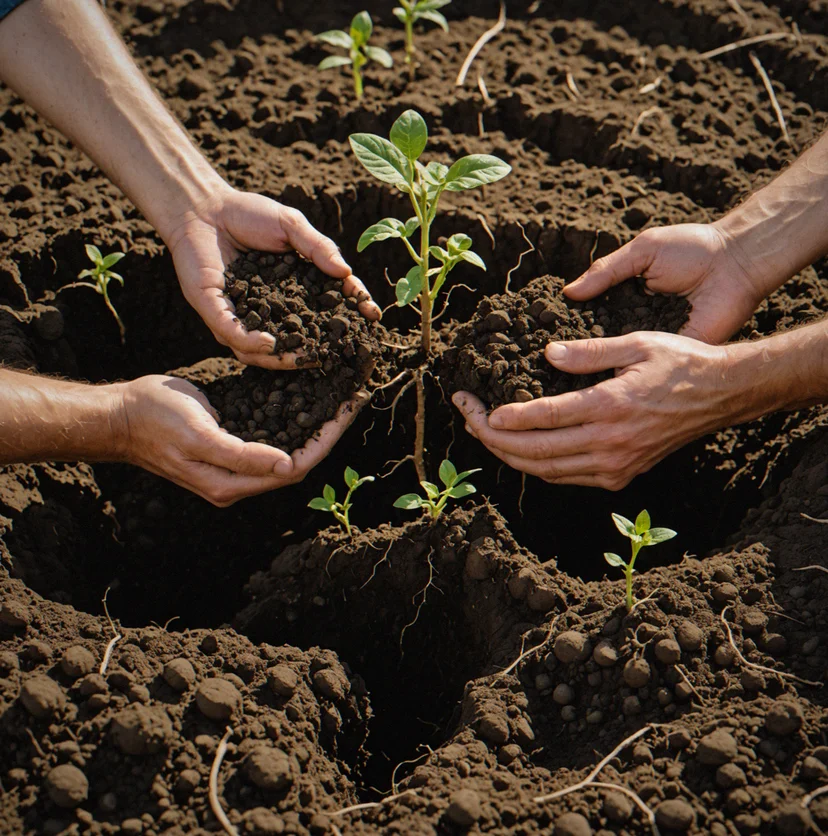
Soil health shows up visually. Organic matter builds up, your field gets darker, water stays in the ground instead of running off and crops stop struggling. Turns out it's just microbial activity and decomposition working in real time on your plot, not magic.
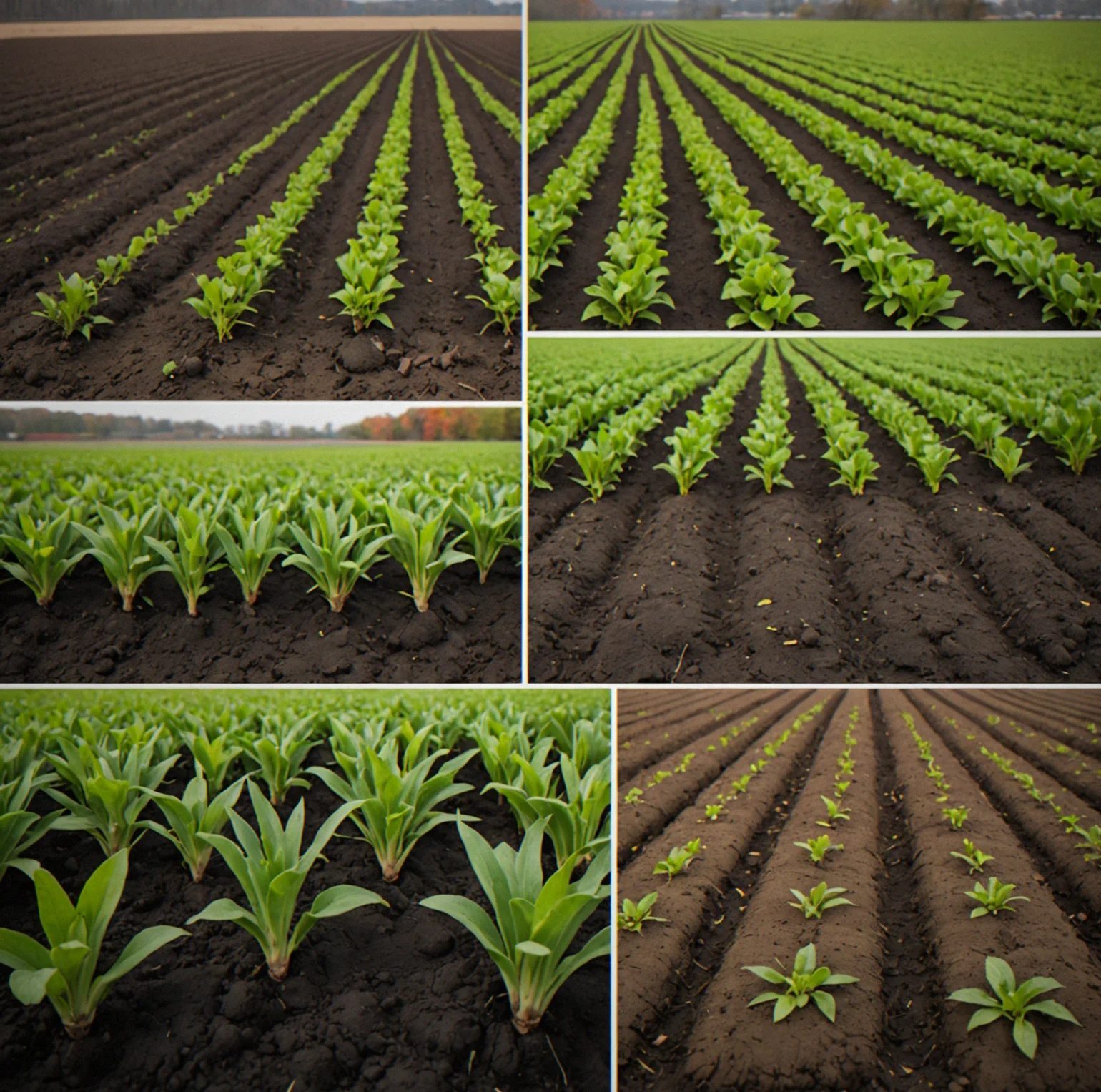
Four seasonal views of the same field: spring green shoots, summer lush canopy, fall harvest-ready plants, winter bare soil
Work with real seasons
Spring takes time. Summer brings heat. Fall is harvest. Winter sits dormant. You can't skip any of them. Plant too late in spring and you've already lost growth days before summer heat arrives. April frost isn't random either—it happens when historical data says it does.
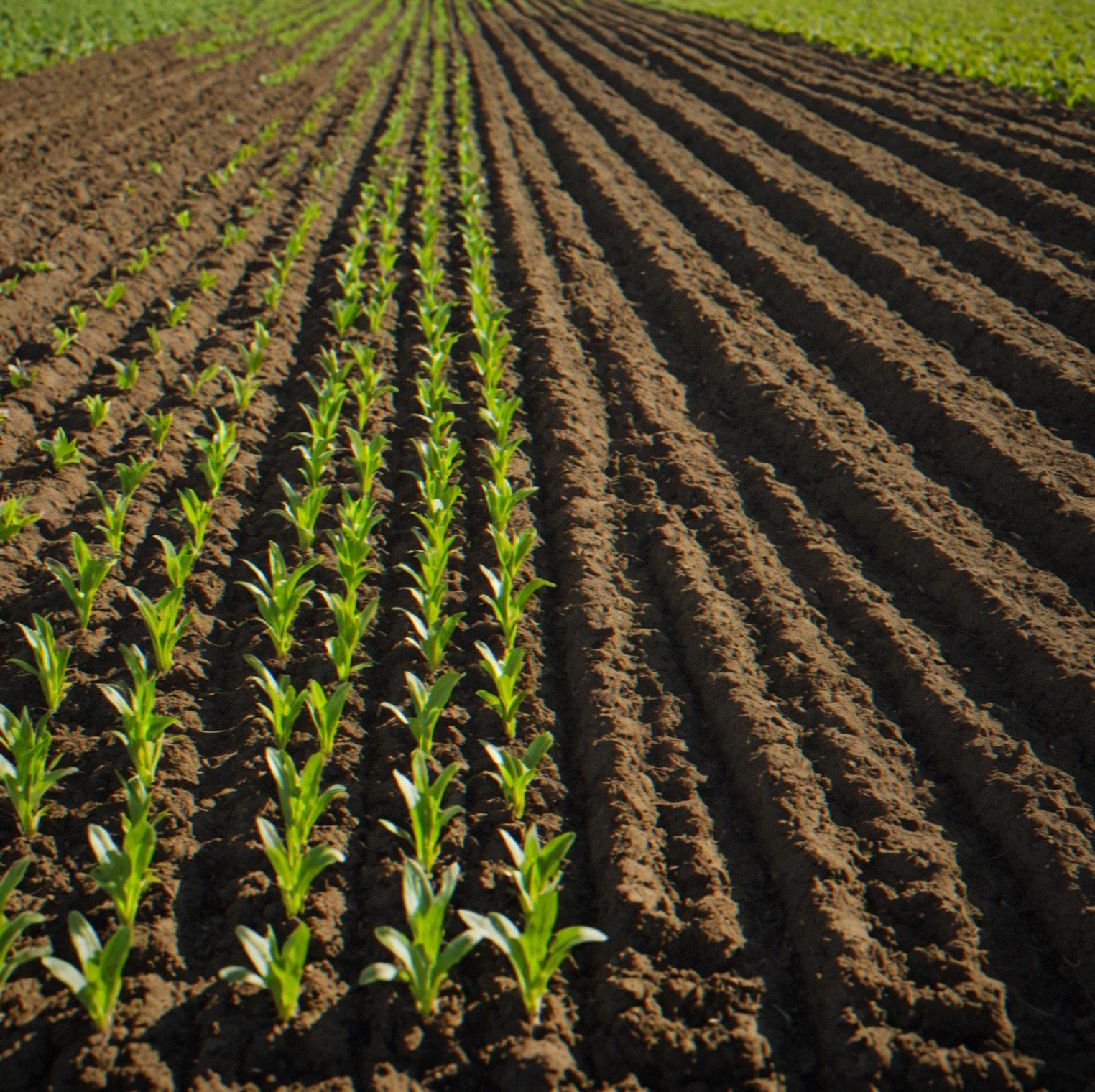
Split-screen comparison showing fallow field recovering versus intercropped dense planting with visible yield and complexity differences
Make decisions that actually matter
Leave part of your field fallow and soil recovers but yield dips this year. Intercrop and you get nitrogen benefits plus harvest headaches. There's no hidden optimization waiting in the menu. Trade-offs are visible and stick around. Your choices determine what grows next.
What a single field teaches you
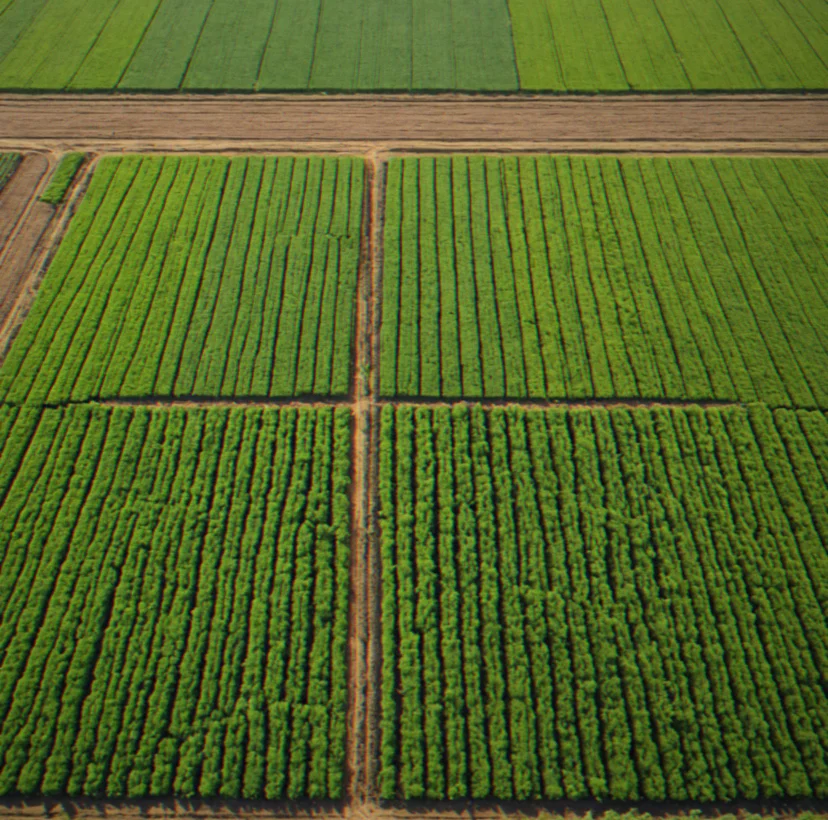
400 square meters. One growing season that runs through all 12 months—spring planting, then winter dormancy. Everything you do affects everything else. Plant winter rye in October and it's not just sitting there looking nice. It fixes nitrogen in your soil, changes how your spring crops turn out, shifts pest numbers the following year. That constraint—one field, full year—makes every choice matter. You can't split the difference by putting corn in Plot A and legumes in Plot B. You pick one thing and plant it. Then you live with it for a year. The mechanics come from real farming because that's what creates actual decisions worth making. Nitrogen-fixing legumes. Fallow periods. Intercropping. How long soil takes to recover. These aren't theoretical—they're where you spend your time.
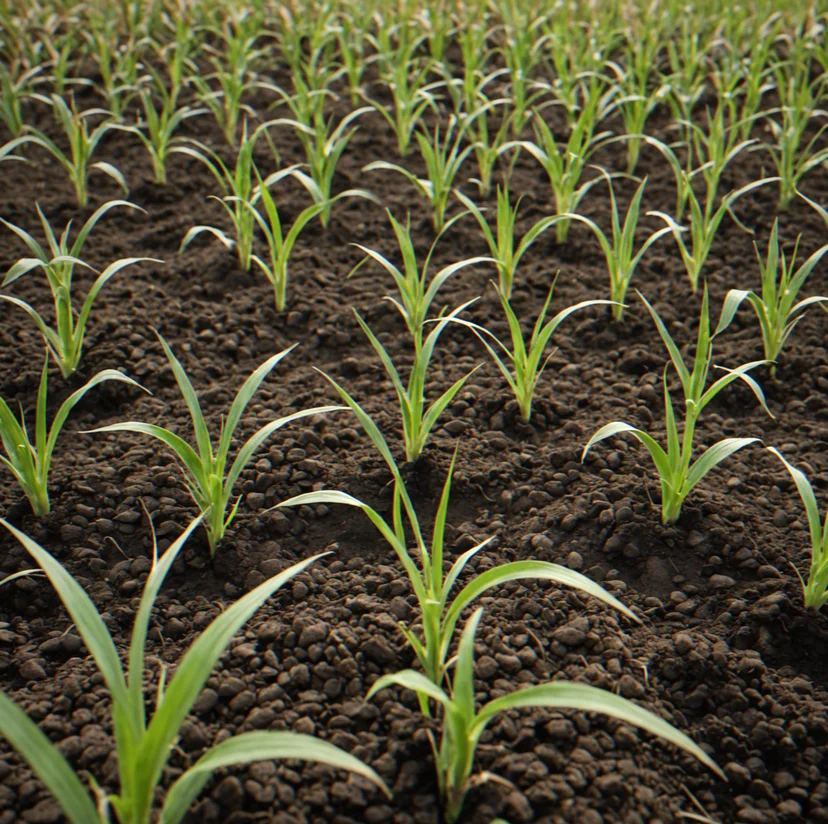
Observation beats reflexes
Look at soil color. Track pest pressure. See when nearby trees start leafing out. Those signs tell you what comes next. No timers. No clicking.
Real consequences unfold slowly
Skip nitrogen-fixing crops and soil gets depleted. Fallow periods take months before you see gains. Consequences creep up—they're systemic and compound over time.
Weather doesn't wait
Historical rainfall, actual frost dates, temperature patterns for your region. April frost happens when it happens. You can't rush past bad weather.
Trade-offs are permanent
Leave 25% of your field fallow to rebuild soil and you lose that much yield this year. Intercrop beans with corn and harvesting gets harder. No hidden workarounds.
Soil becomes a mechanic
Nitrogen, phosphorus, potassium, organic matter all tracked as visual feedback. Your field gets darker as fertility builds. Plant growth responds directly to what's actually underneath.
Learning happens by doing
No tooltips spelling out crop rotation theory. Plant legumes, watch soil recover, plant something that needs nitrogen, watch it thrive. Experience teaches you.
What you'll actually learn
Fieldgarden doesn't teach in isolation. You live through the seasons and watch the mechanics unfold naturally. Here's what sticks with you.
Nitrogen depletion and recovery
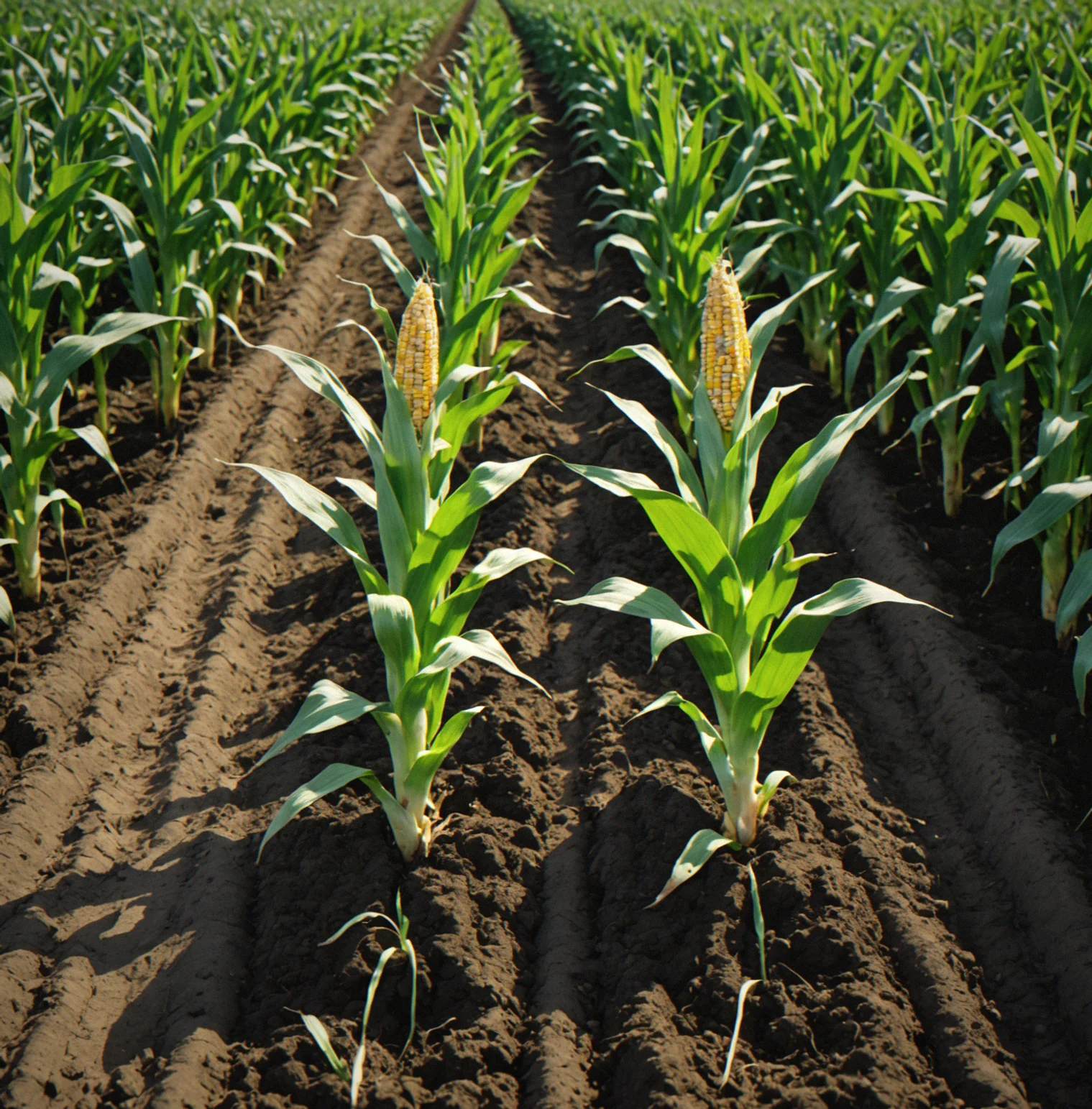
Corn is a nitrogen hog. Legumes put it back. Skip legumes and your soil gets depleted fast — and you'll see it immediately in the next crop. Two seasons of watching this play out and you stop needing to be told why farmers rotate. It's not tradition, it's survival. Plants literally can't grow without nitrogen.
Phenology — timing plant life stages
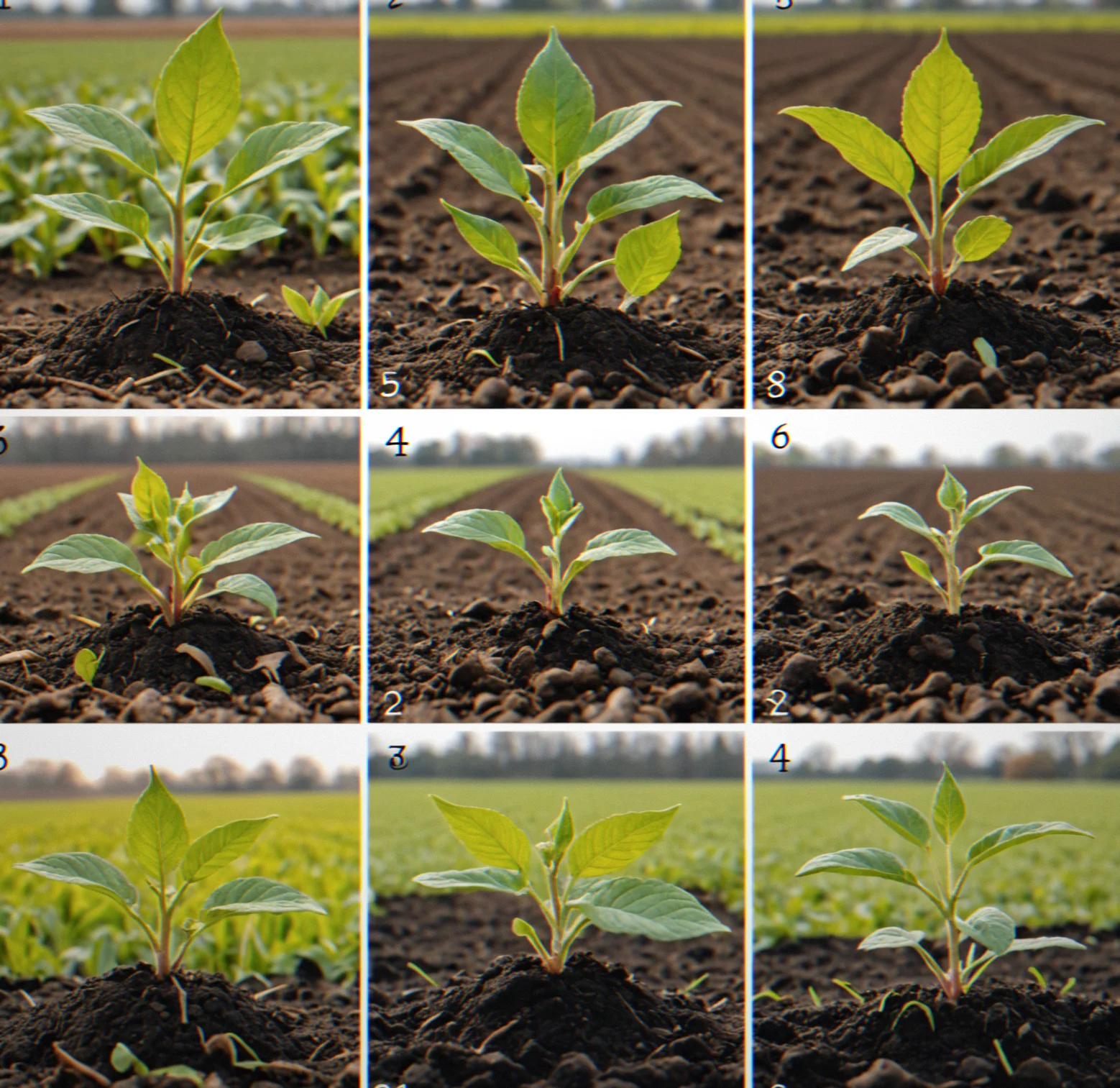
Phenology is just the word for when plants actually do things. Buds break, flowers bloom, seeds ripen. The game pulls real seasonal calendars for your region. You watch the nearby trees for hints about soil temperature and frost risk. Your planting window isn't made up — it's tied to growth cycles that shift based on weather.
Fallow periods rebuild soil
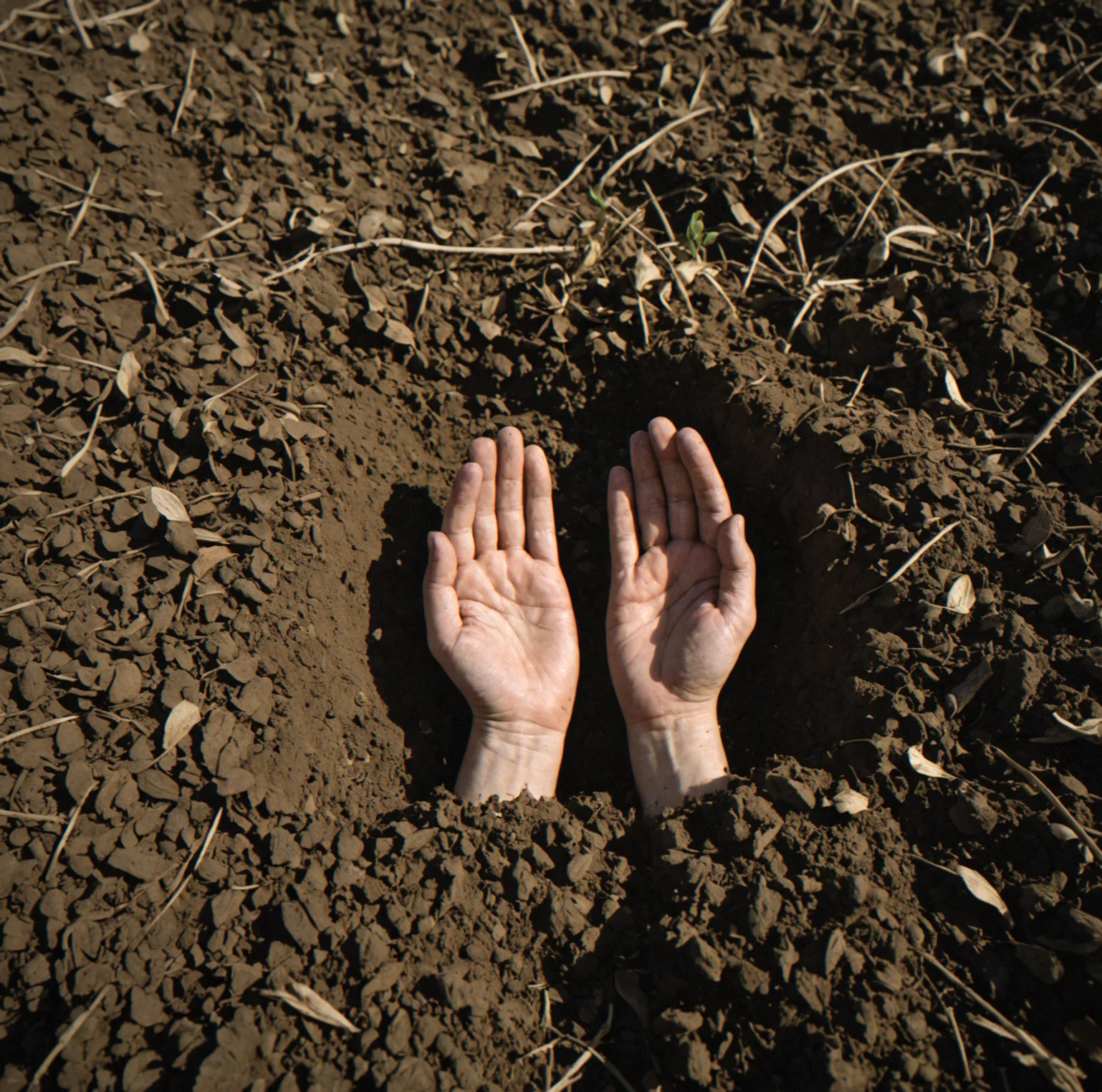
Leave part of your field bare for a couple months, or sit out a whole season and the soil bounces back. Microbes get active again, organic stuff breaks down, the structure gets better. You sacrifice yield in the short term but gain fertility that lasts. The game shows you this trade-off happening.
Intercropping creates efficiency
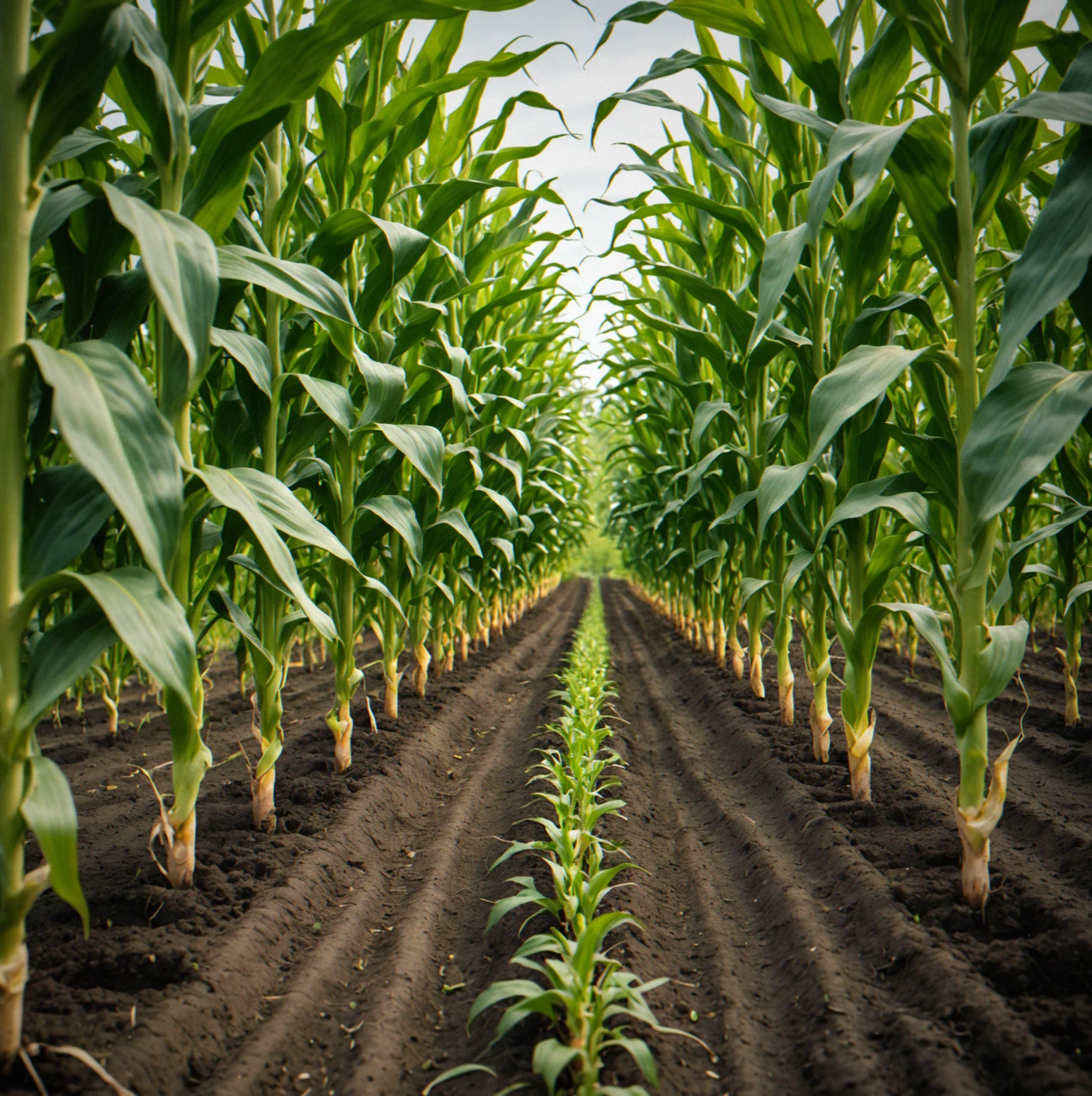
Beans planted with corn climb the stalks and fix nitrogen while the corn holds them up. Harvesting gets messy and the spacing is tight, but nitrogen improves mid-season instead of waiting for next year. The plants actually help each other, which is what you see in real polyculture systems.
Soil organic matter shows visually
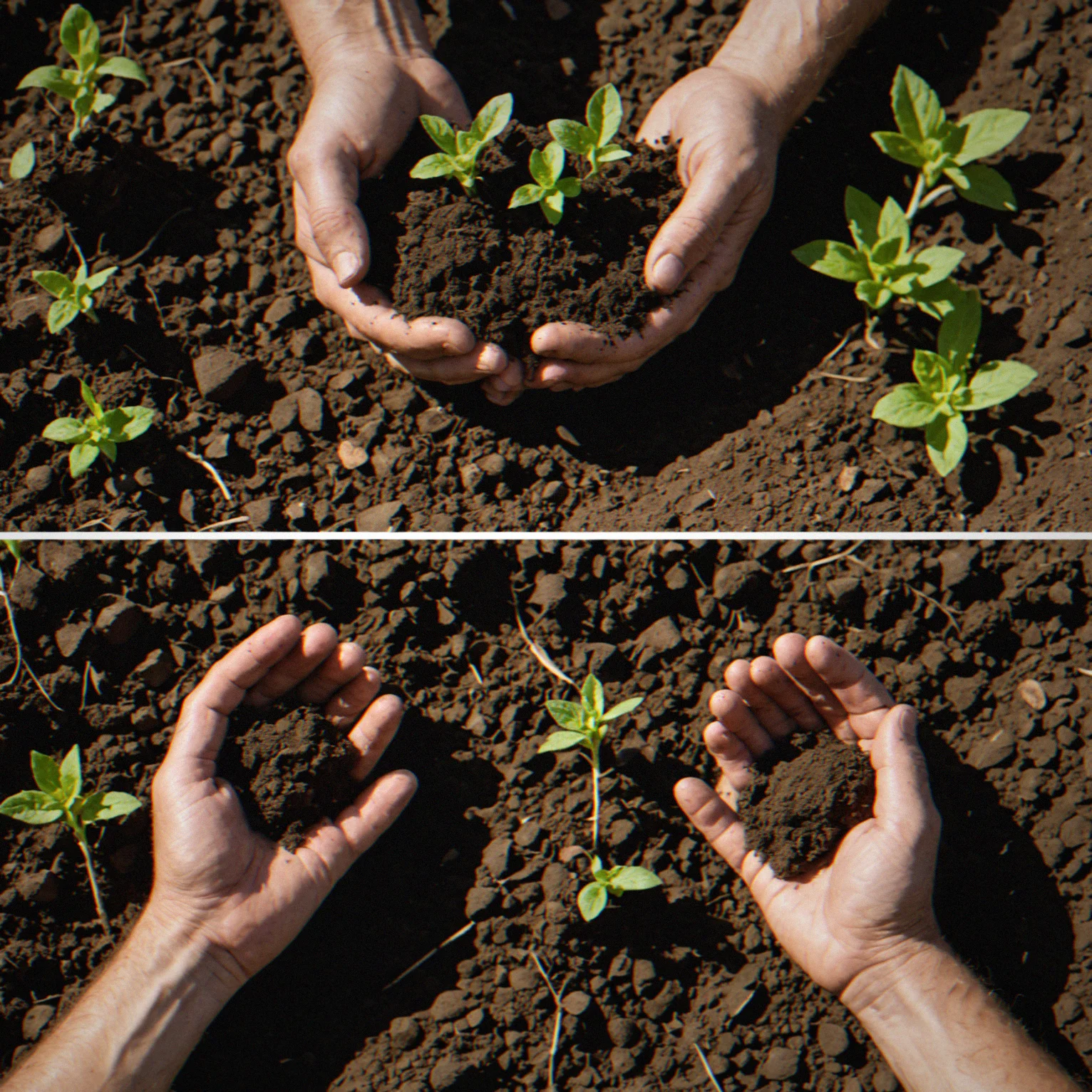
As organic matter builds up, your field gets darker. You're not squinting at numbers in a menu — the change is right there on screen. Dark rich soil holds water longer, feeds more microbes, and your crops grow noticeably stronger because of it. You see cause and effect directly.
Real weather patterns constrain you
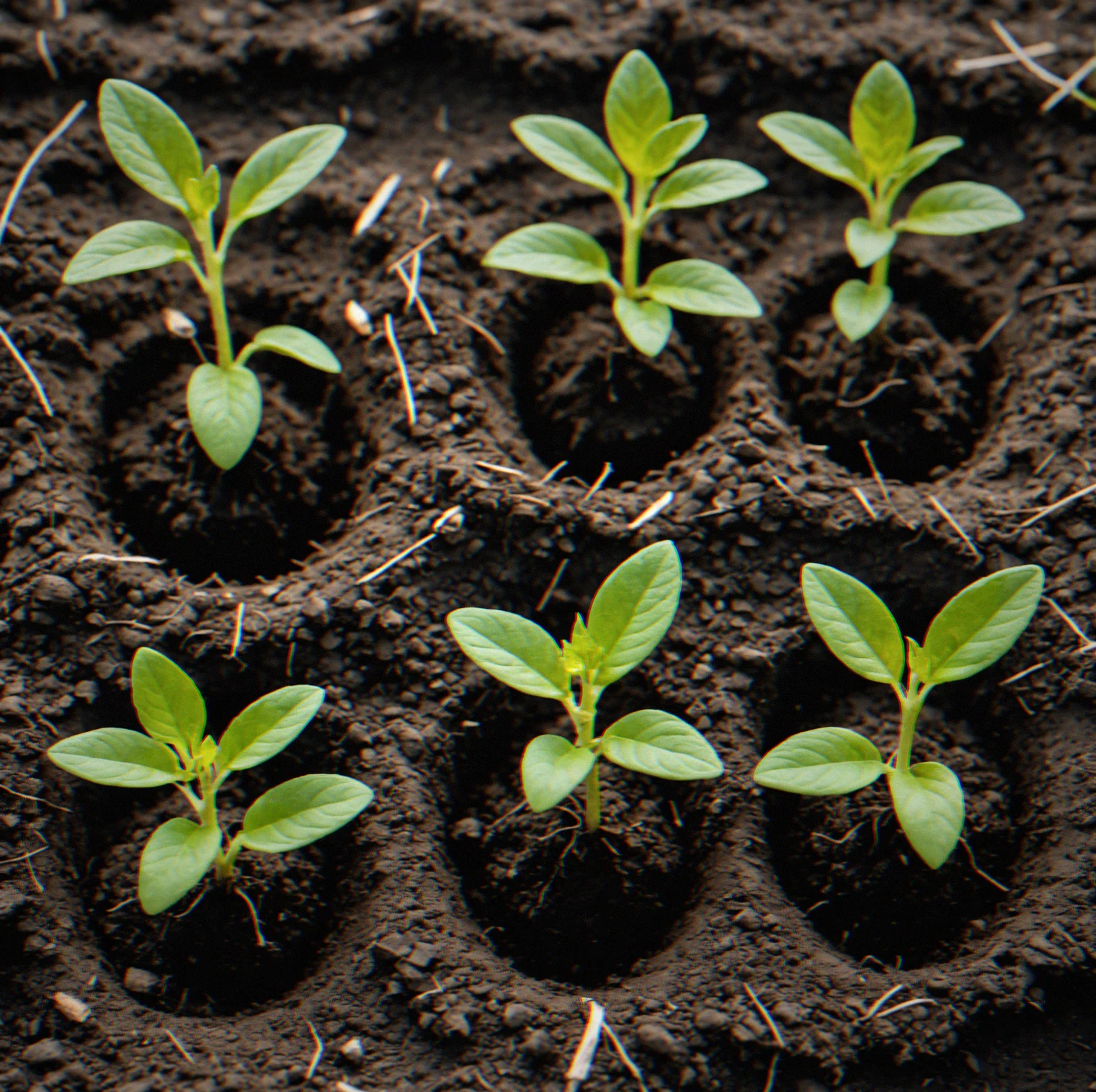
The game runs on historical weather data for wherever you are. That late spring frkst isn't random — it happens when it actually would. Summer drought comes at the right time. You can't skip ahead or dodge bad weather.
How Fieldgarden works
The mechanics pull from real agricultudal practices. Here's what that means when you're playing.
One field changes everything
You get 400 square meters. That's it. No expansion, no second plot to fall back on. Every plant you pick affects what grows next season and the one after. Limits mean consequences.
Does soil actually matter in a game?
It does. Nitrogen runs out. Organic matter takes months to build. Your field gets darker as it gets fertile again. Crops respond to what's adtually in the ground. You learn how nitrogen cycles because you watch it happen.
Weather isn't just background
It uses historical rainfall. Real frost dates for where you are. April cold snaps hit when they're supposed to. You can't skip seasons or rush past drought. The calendar keeps moving whether you're ready or not.
Patience becomes the mechanic
No speed-clicking. No reflexes. Read what's there. Let the soil recover. Sit through fallow periods. Track pest pressure over time. The game rewards paying attention and waiting.
What happens month to month
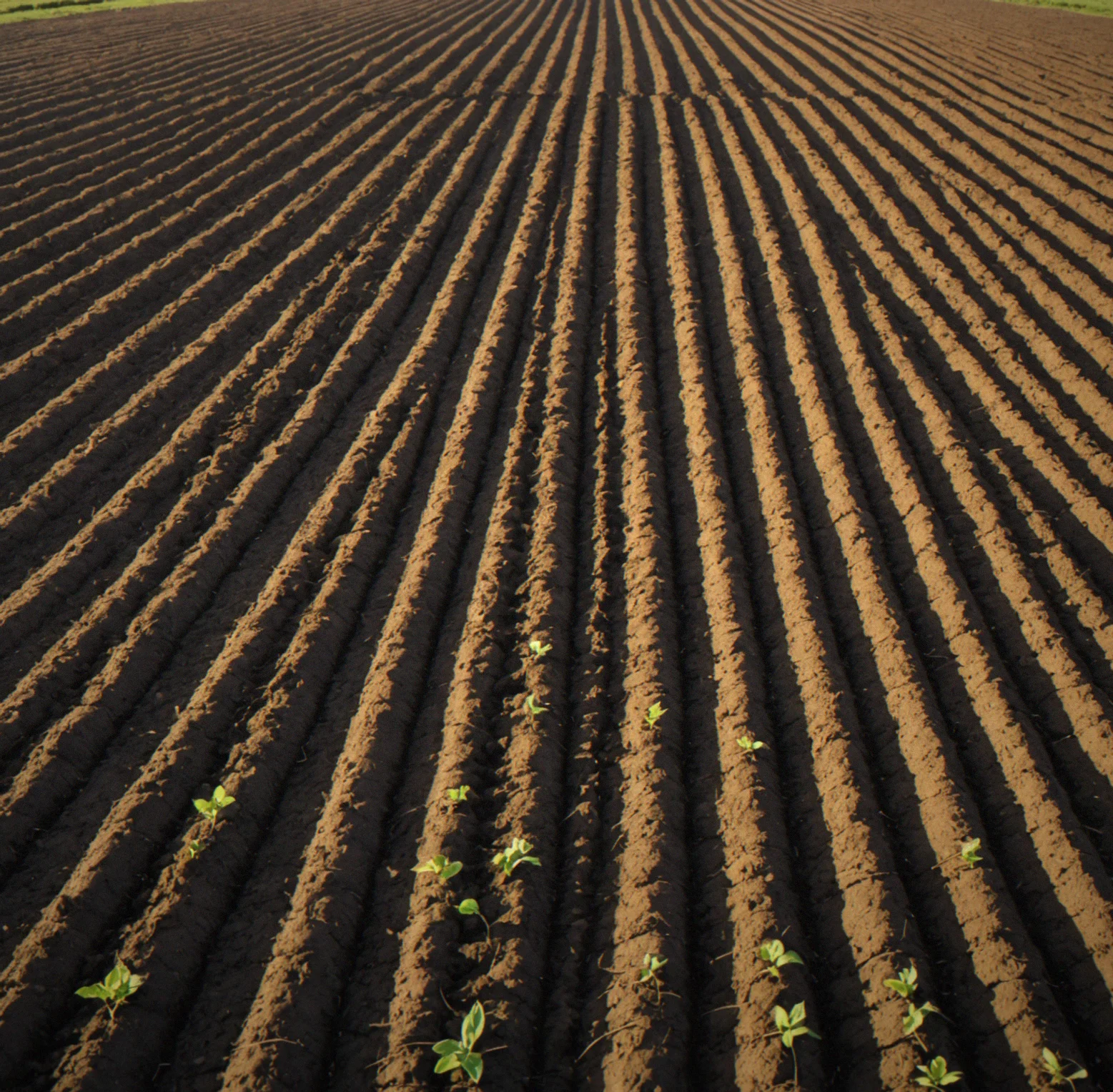
March: Soil preparation
Field's not doing anything yet. This is when you decide—till it, leave it alone, work in compost, maybe seed something to plow under. Whatever you pick now ripples through the whole growing season.
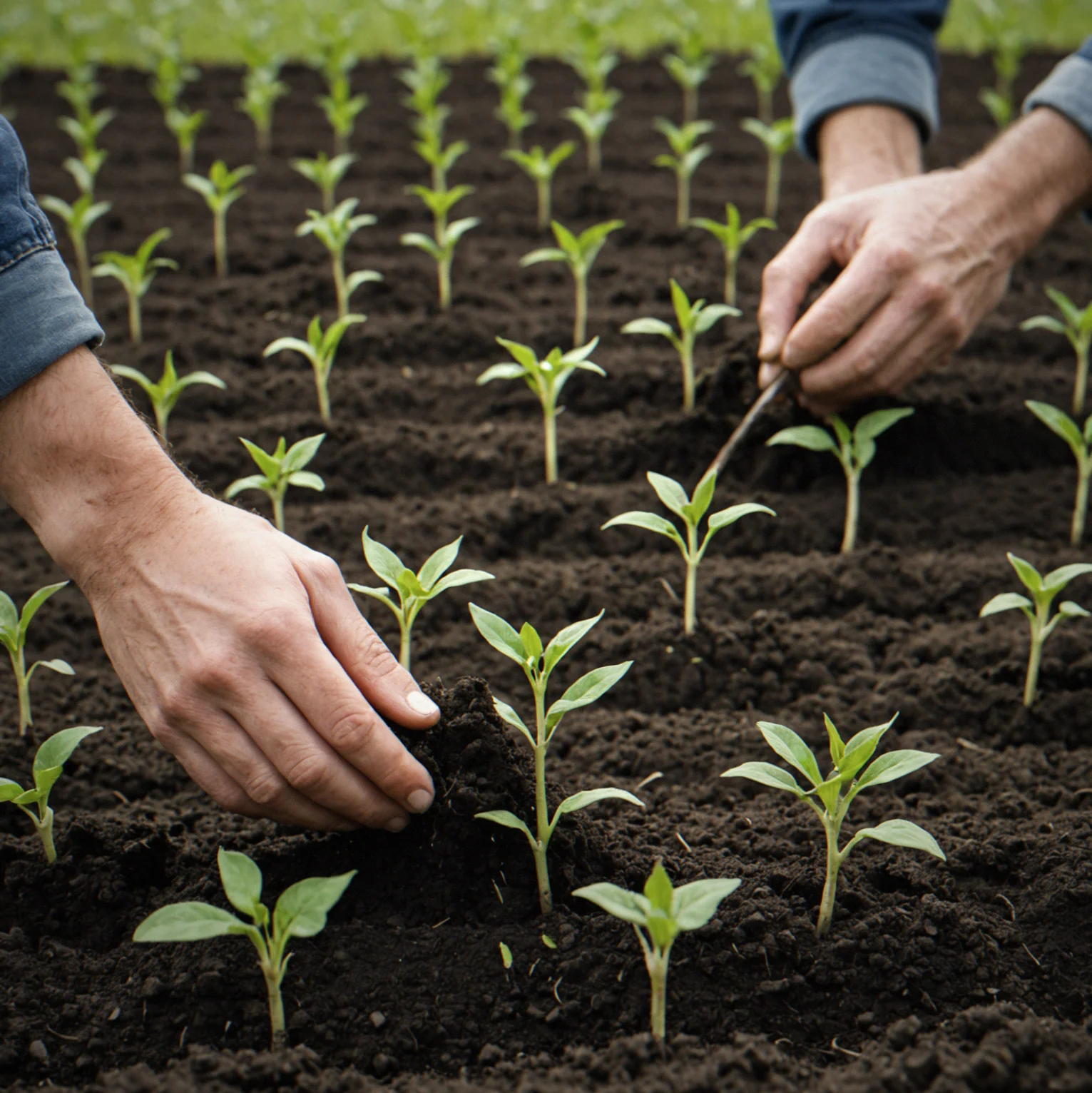
April–May: Planting window
Timing's everything here. Go too early and frost wipes out your seedlings. Too late and you've already lost precious growing days before the heat shows up. Watch the trees around the edge—when their buds break, the soil's usually ready.
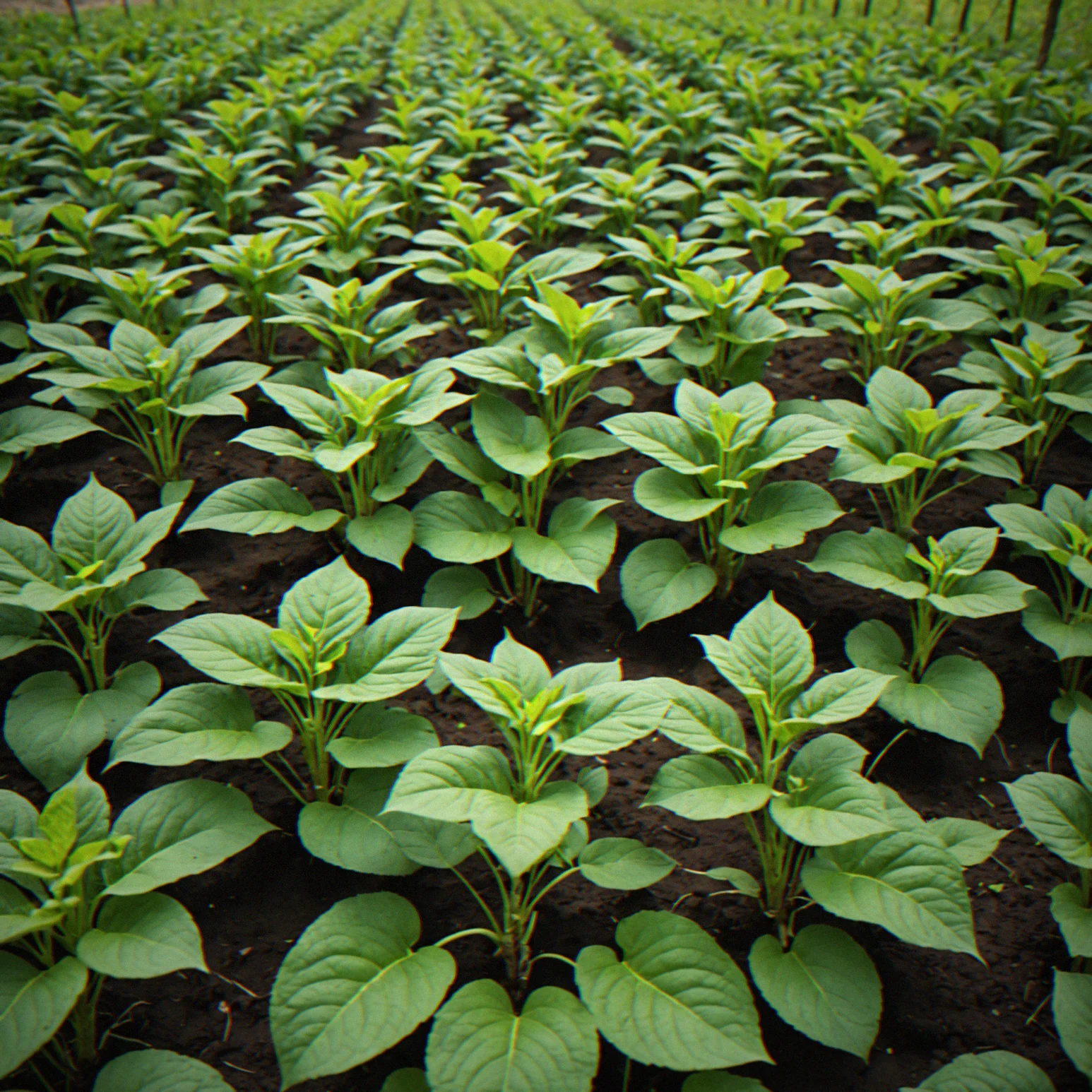
June: Growth accelerates
Crops are moving fast now. Bugs show up. You're out there looking for disease, thinning if needed, figuring out if you need to water or if rain's got you covered. The field needs you paying attention.
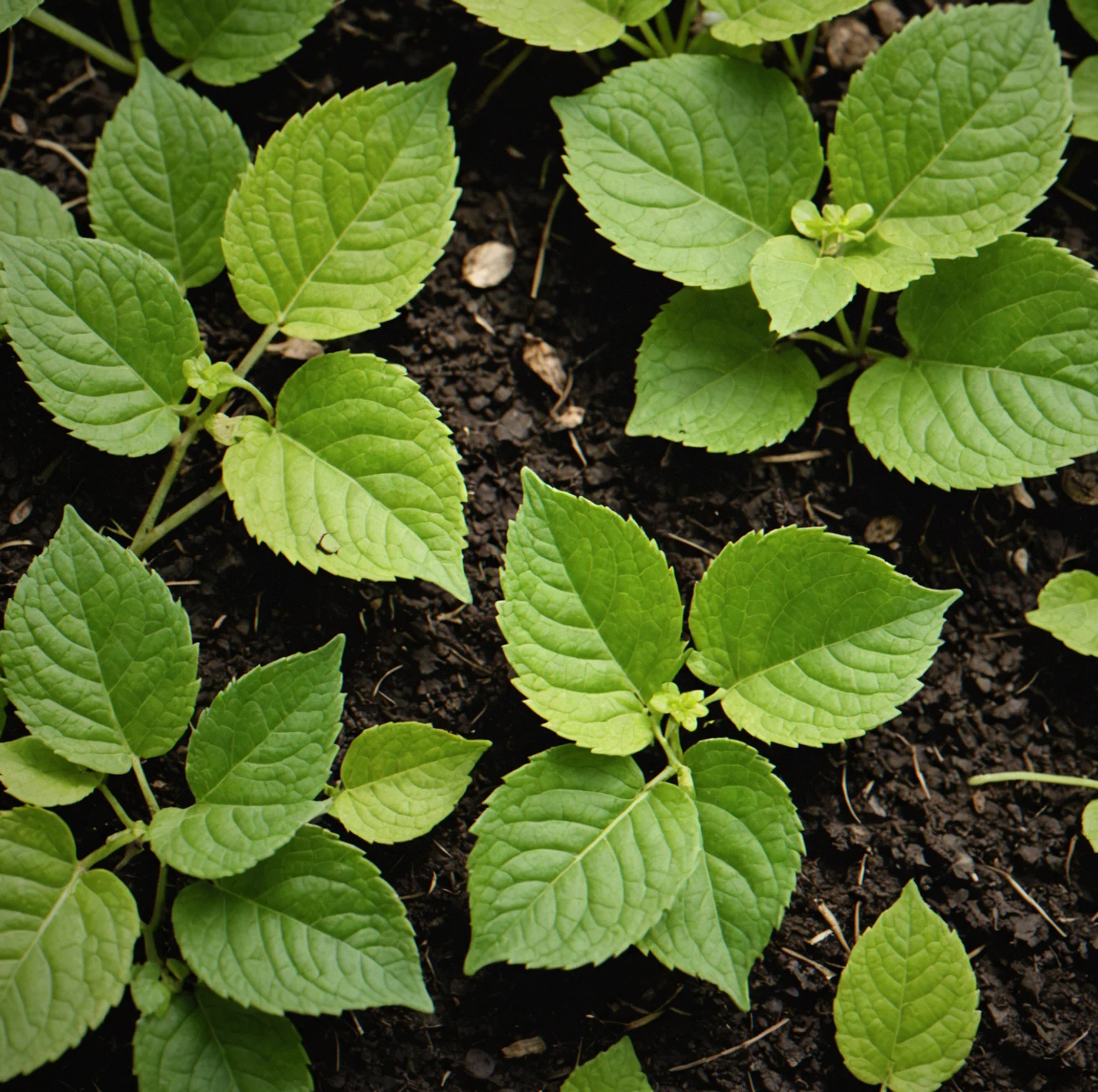
July–August: Pest pressure peaks
Insects arrive in force. Disease spreads. You work without chemicals, so you rotate what you plant, bring in the good bugs, accept that some stuff won't make it. Early potatoes are ready in August. You open up space for a fall crop. It's messy management, not a clean fight.
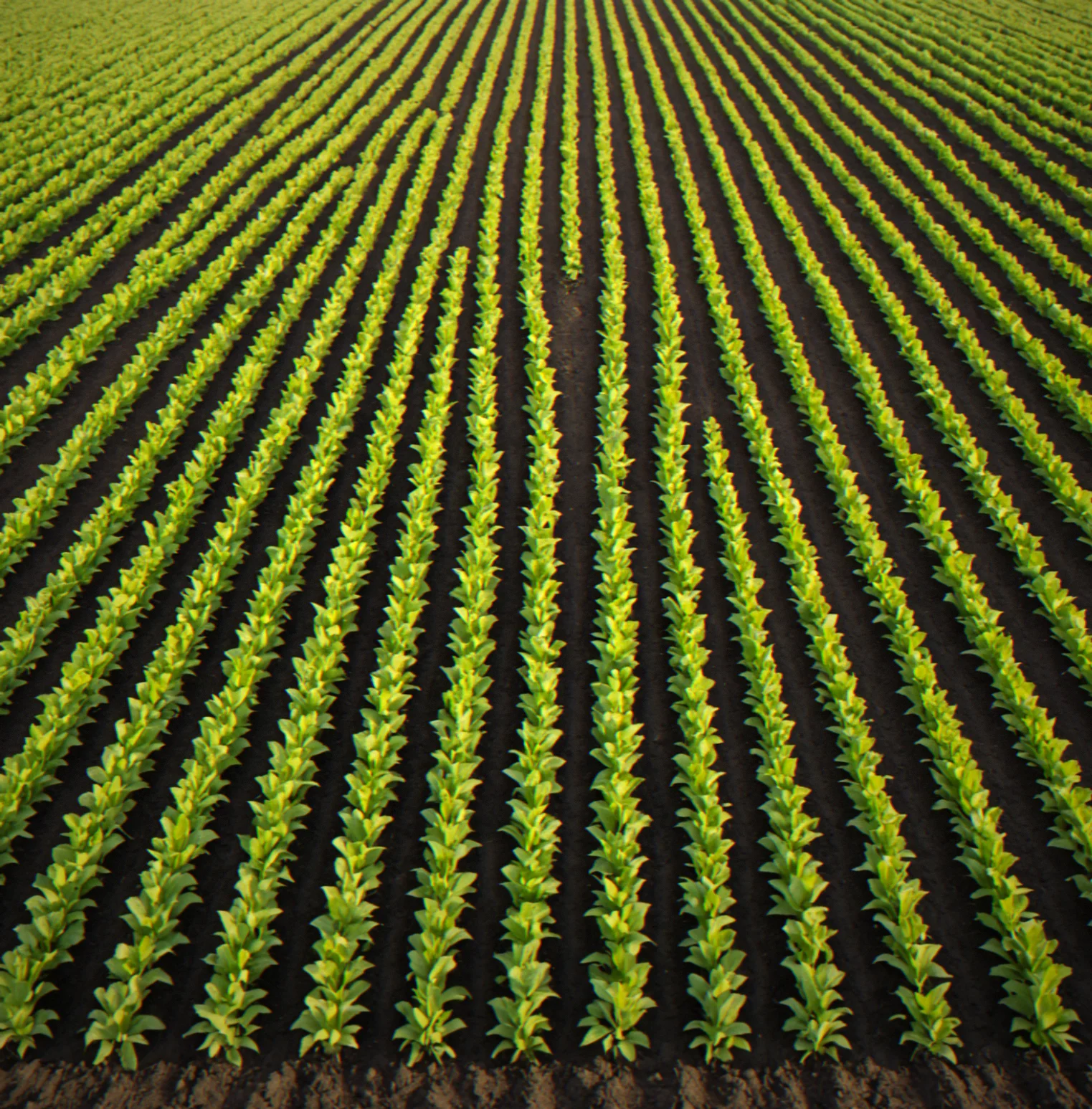
September–October: Fall planting
You get a second shot at growing. Cool greens, root crops, winter squash all go in now. You also pick what stays through winter—either a cover crop or something you'll harvest in late spring. What you decide in October shapes your soil in April.
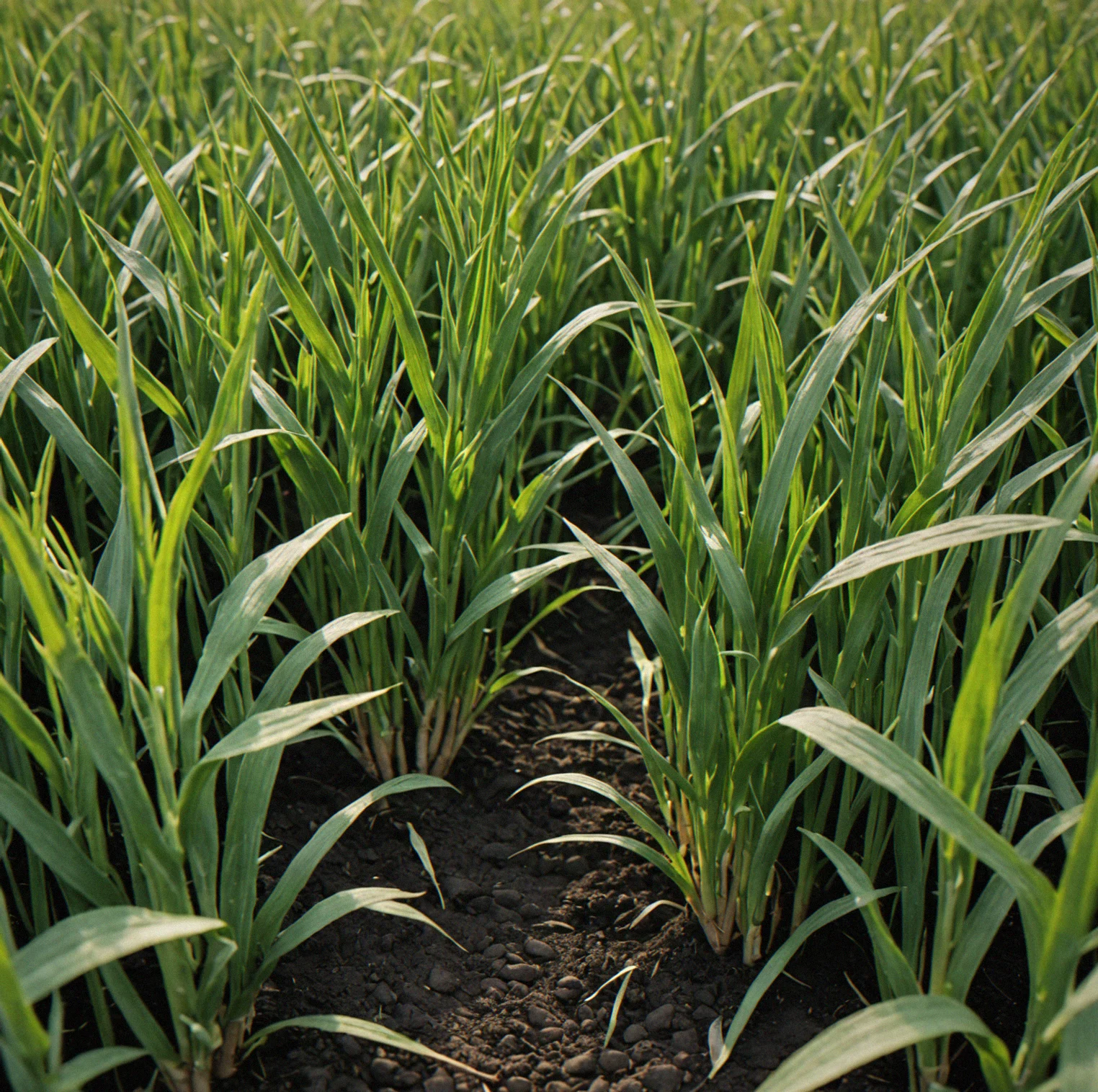
November: Cover crop establishment
Winter rye creeps along through the cold, holding soil in place and grabbing nutrients as it goes. Or you leave it bare—exposed to erosion, losing organic matter. That choice compounds through winter and straight into spring.
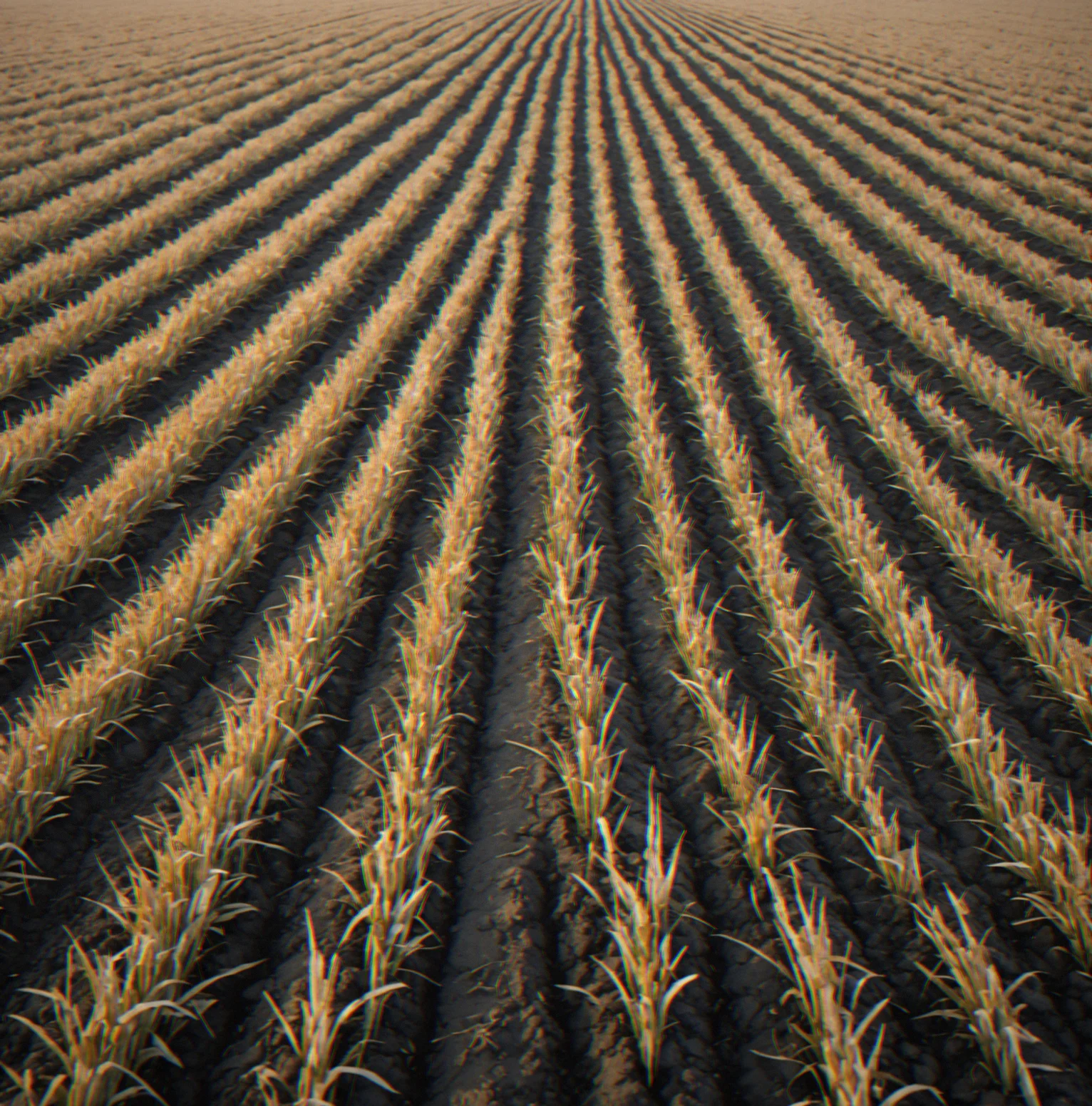
December–February: Winter dormancy
Nothing grows. You've been with this field for most of a year. You know what actually worked, what drained it, which pests showed, what the weather really threw at you. Planning the next cycle means starting from that, not guessing.
Common questions
FAQ
People ask us stuff about how a single-field farming game actually works. Here's what tends to come up.

Let's talk
Got questions about how the game works? Thoughts on the farming mechanics? Just want to chat? We read it all.
- ◆You'll hear back from someone who actually made this
- ◆Not a bot response
- ◆What you say actually gets used for the next update
- ◆Honestly takes like five minutes
- ◆We actually pay attention to what you think